100+ YEARS OF COMMERCIAL CULTURE
Century Structures
Launched to honor residential properties that are at least 100 years old, Zionsville's Century Structure Program recognizes commercial buildings that have played a vital role in the town’s development and cultural identity.
“Our commercial buildings are more than just storefronts — they’re tangible links to Zionsville’s past,” said Cynthia Young, Executive Director of the Sullivan Munce Cultural Center. “Partnering with Main Street Zionsville allows us to elevate the visibility of these structures and honor the businesses that have shaped our downtown experience for generations.”
The program includes:
- Formal recognition of eligible commercial buildings that are 100 years or older.
- Installation of official Century Structure plaques on honored properties.
- Publicity efforts and educational initiatives to share the stories of these structures.
- Commercial building additions to the Walking Tour app.
 The SullivanMunce Cultural Center offers a self-guided walking tour using your phone. Click the link below to get the app.
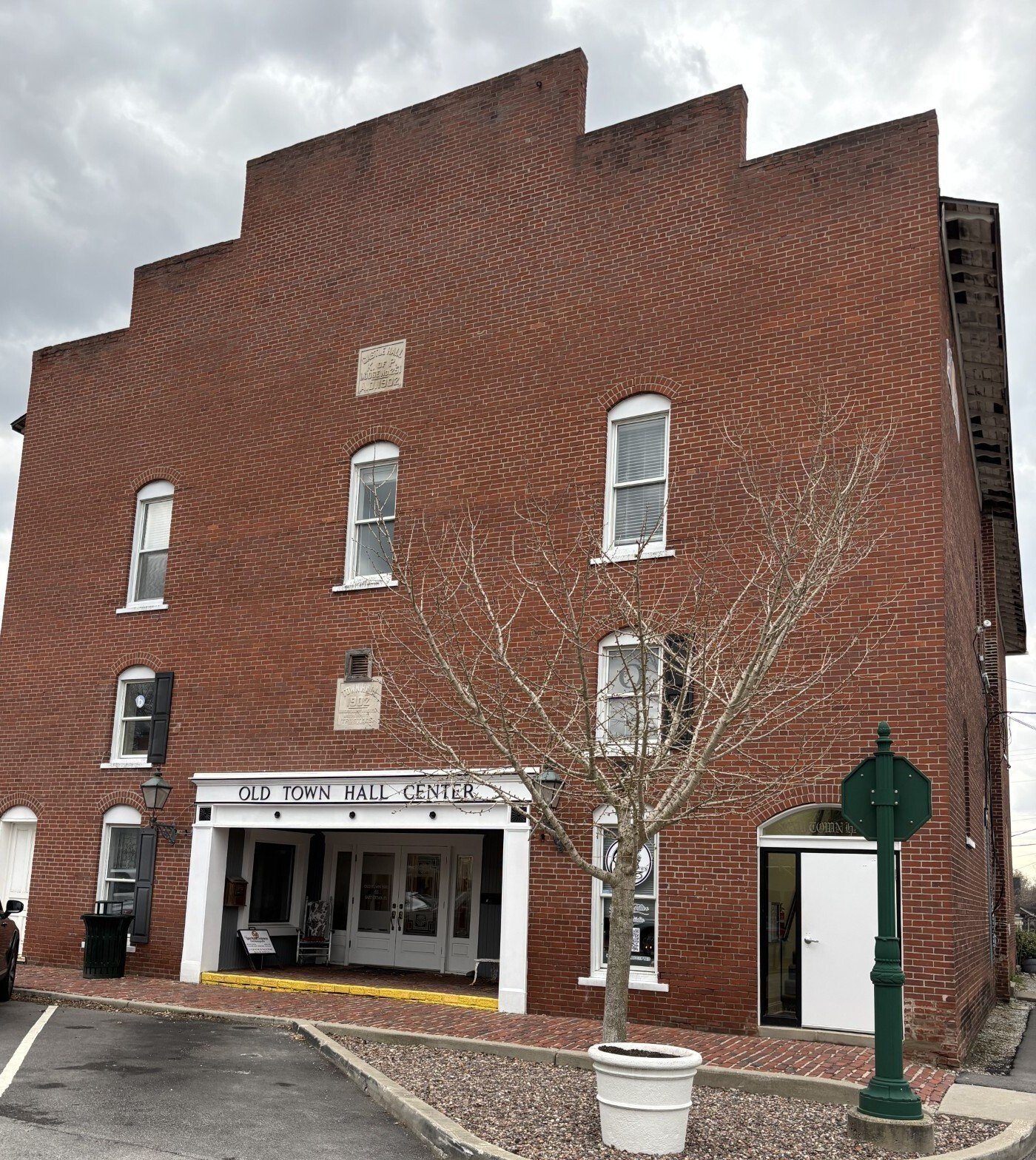
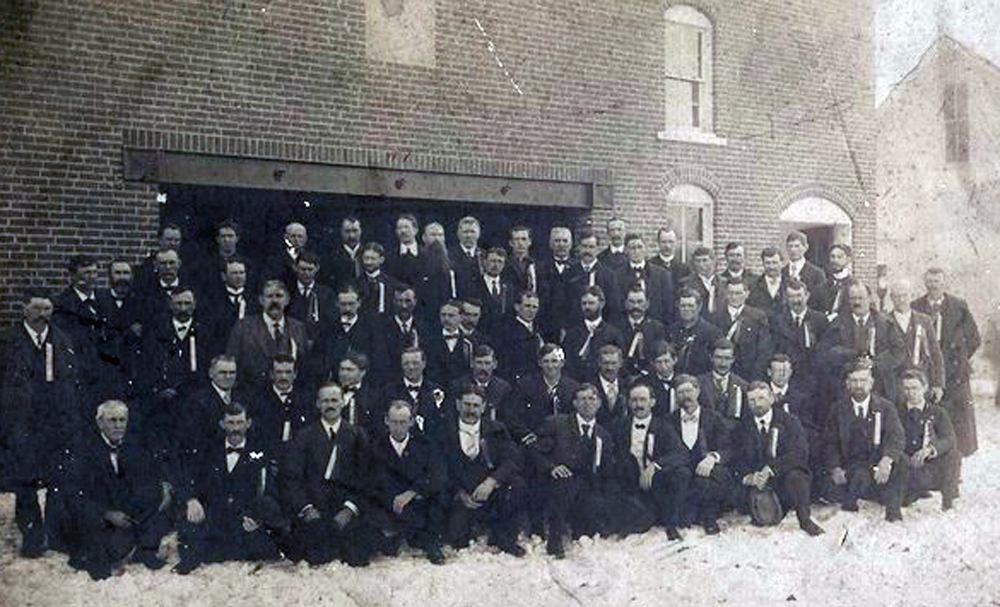
Circa 1902
Recognized Commercial Buildings
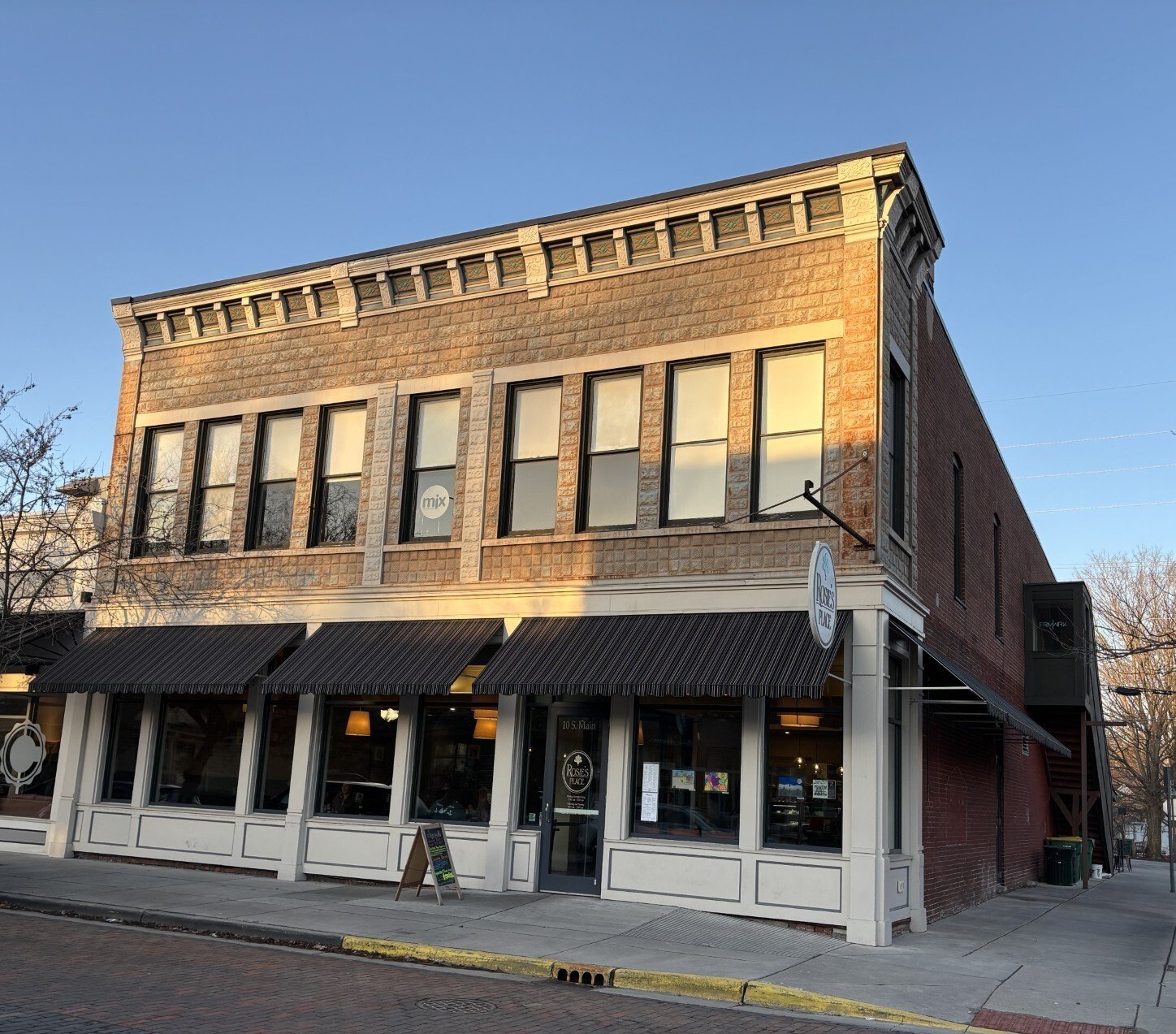
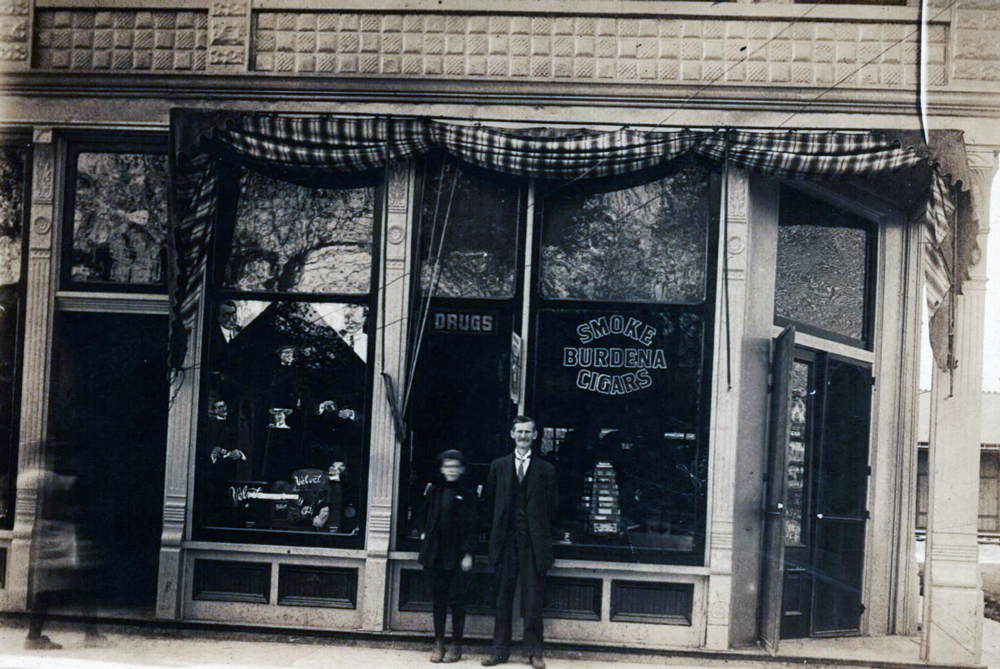
10 South Main Street
Built around 1900, 10 South Main Street has served the community continuously for more than a century. It began its story as a drug store and maintained that role in various forms for almost 100 years.
The Corner Drug Store, Elliott’s Drug Store, and McKamey’s Drug Store were well-known proprietors here. Aside from the town's drug store, other tenants occupied portions of the building over the years.
The second floor was initially a Rebekah Lodge (a “sister” lodge to the I.O.O.F. International Order of Odd Fellows just to the north at 10 North Main). Later, the Masonic Lodge rented the space. Currently, 10 S Main is home to Rosie’s Place, a breakfast and brunch restaurant.
While the interior has changed over time, the exterior still holds much of its original charm and remains a recognizable piece of Main Street’s historic streetscape.
Circa 1890
50 South Main Street
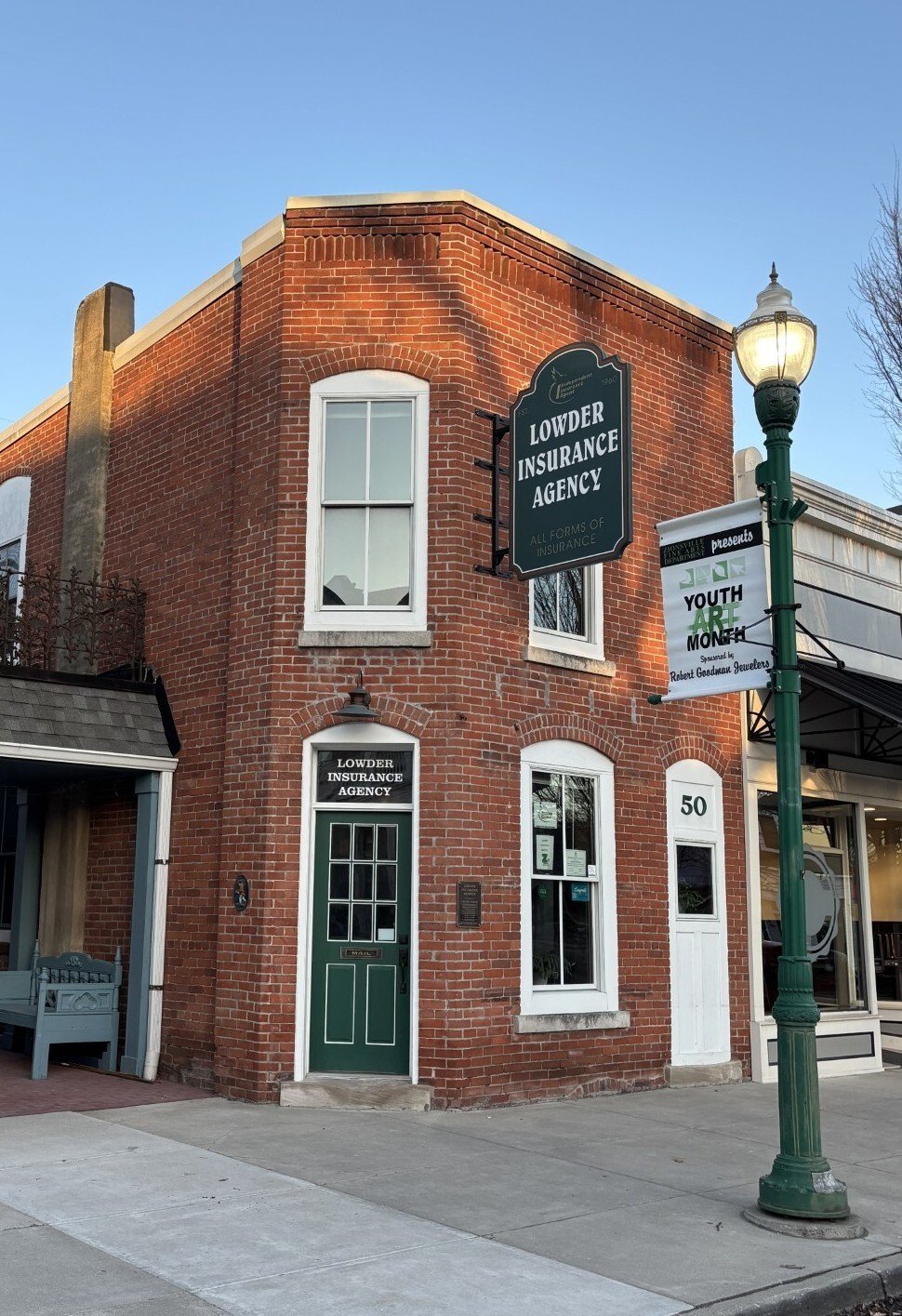
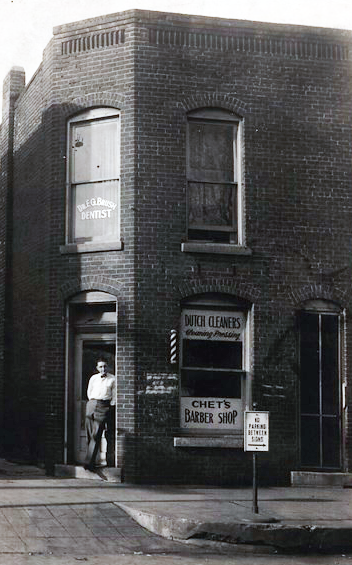
Home to Lowder’s Insurance Agency for decades, 50 South Main Street in Zionsville, has a long and varied history as part of the town’s historic Main Street district. With a circa construction date of 1890, this is one of the oldest commercial structures along Main Street. In the mid-20th century, it contained a barbershop and a cleaner, as well as a dentist's office on the second floor.
One of the building’s most memorable features is its distinctive front entrance, which sets it apart from other storefronts on the block. Though the businesses inside have changed over time, the building remains a well-loved piece of Zionsville’s evolving downtown landscape.
Circa 1940
61 South Main Street
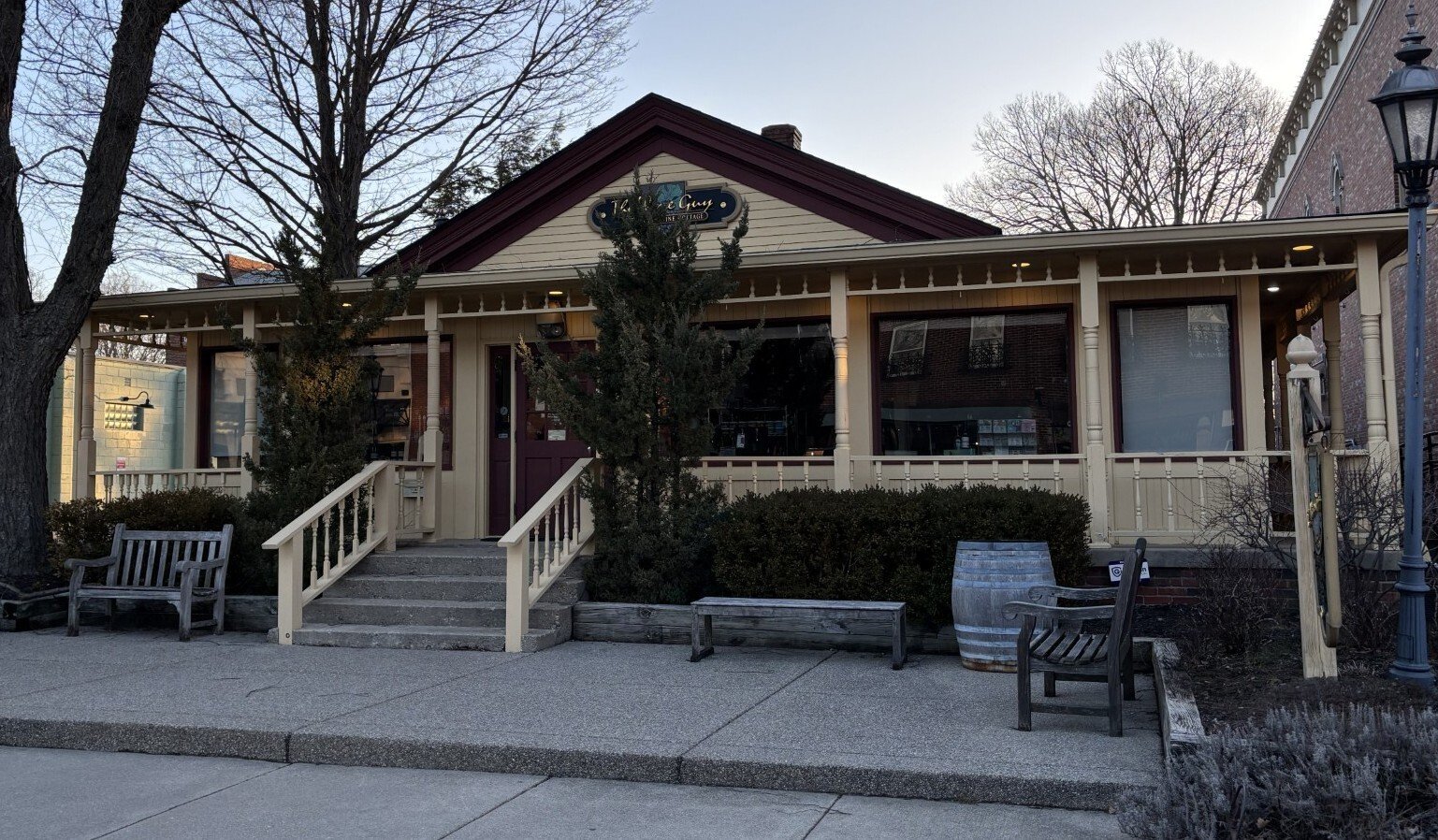
The earliest sale transaction recorded for this property was in 1857, and the first long-term owner was Samuel Wise Rodman, who purchased the property in 1859. Rodman was a prominent local physician, and most likely the structure served as both his residence and his office.
Typical of the time, the next two owners were a grocer and a hotel keeper, and the home still likely served as both a residence and a business. Over the last 160+ years, this Greek Revival style structure has also housed a children’s clothing store, a real estate office, and “Santa’s House” during past Zionsville “Christmas in the Village” celebrations before its current use.
70-76 South Main Street
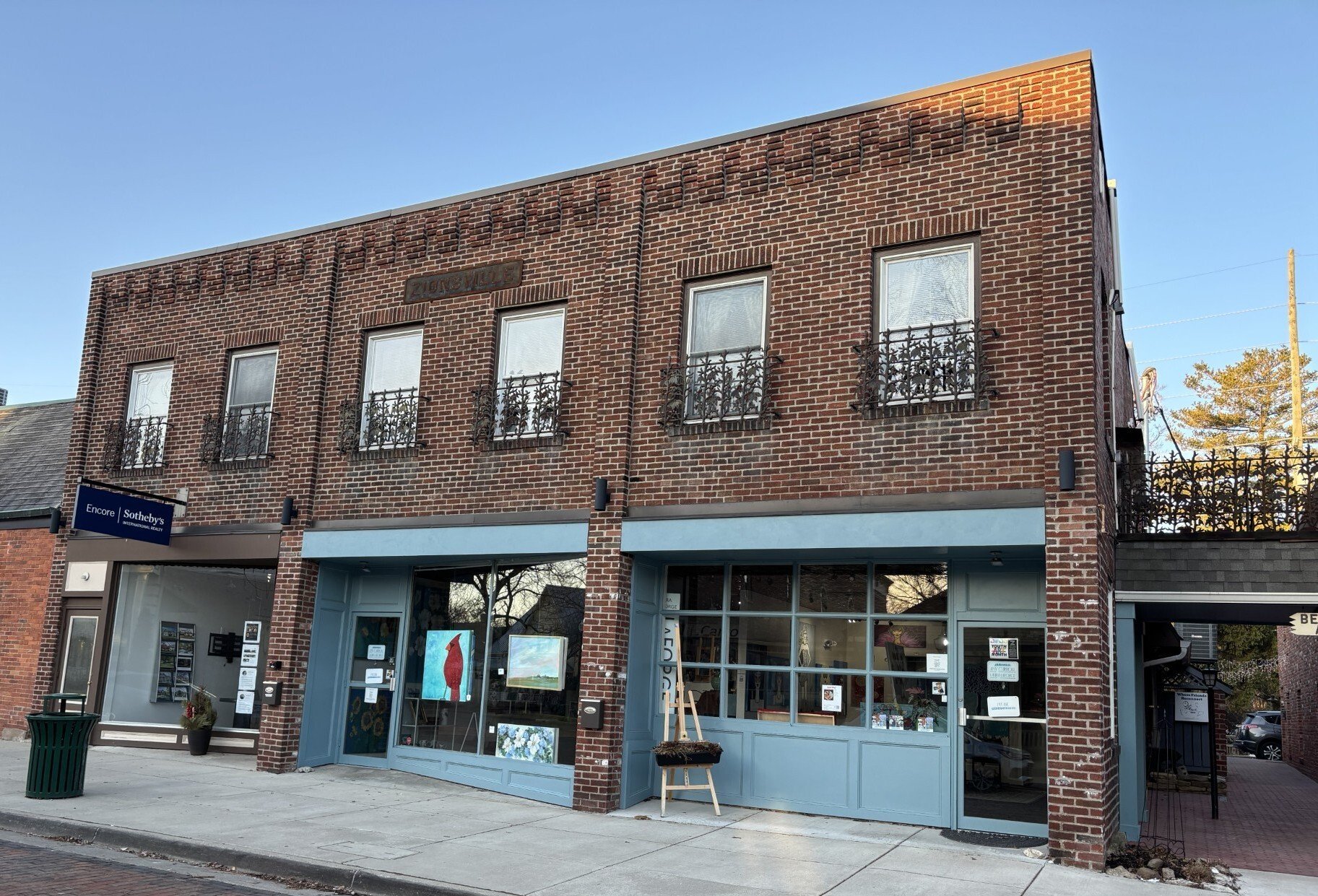
Built in 1914, this multi-use structure replaced an earlier bakery and restaurant (dating back to the 1870s). The new building was a true community hub:
- Dr. Everett Hurst and Dr. Onis Brendel’s offices
- C.F. Broadlick’s bakery and restaurant
- A mechanic’s garage with cement driveway access
- Upstairs spaces for real estate, insurance, and law offices
From bread and pastries to medical care, business deals and even garage repairs, 76 South Main was a cornerstone of everyday life in Zionsville.
Today, its story reminds us of how Main Street has always been a place where community, commerce and history come together.
98 South Main Street
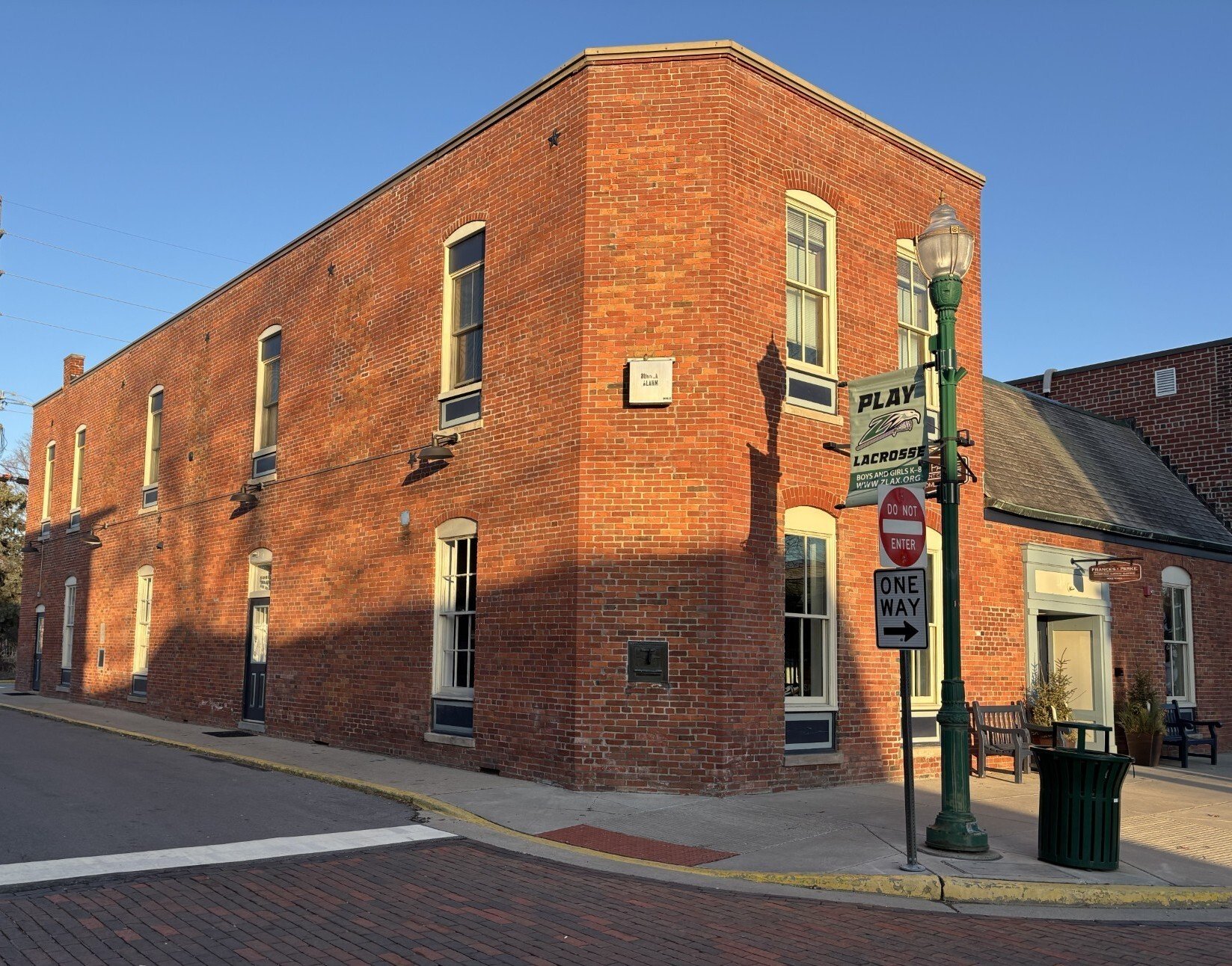
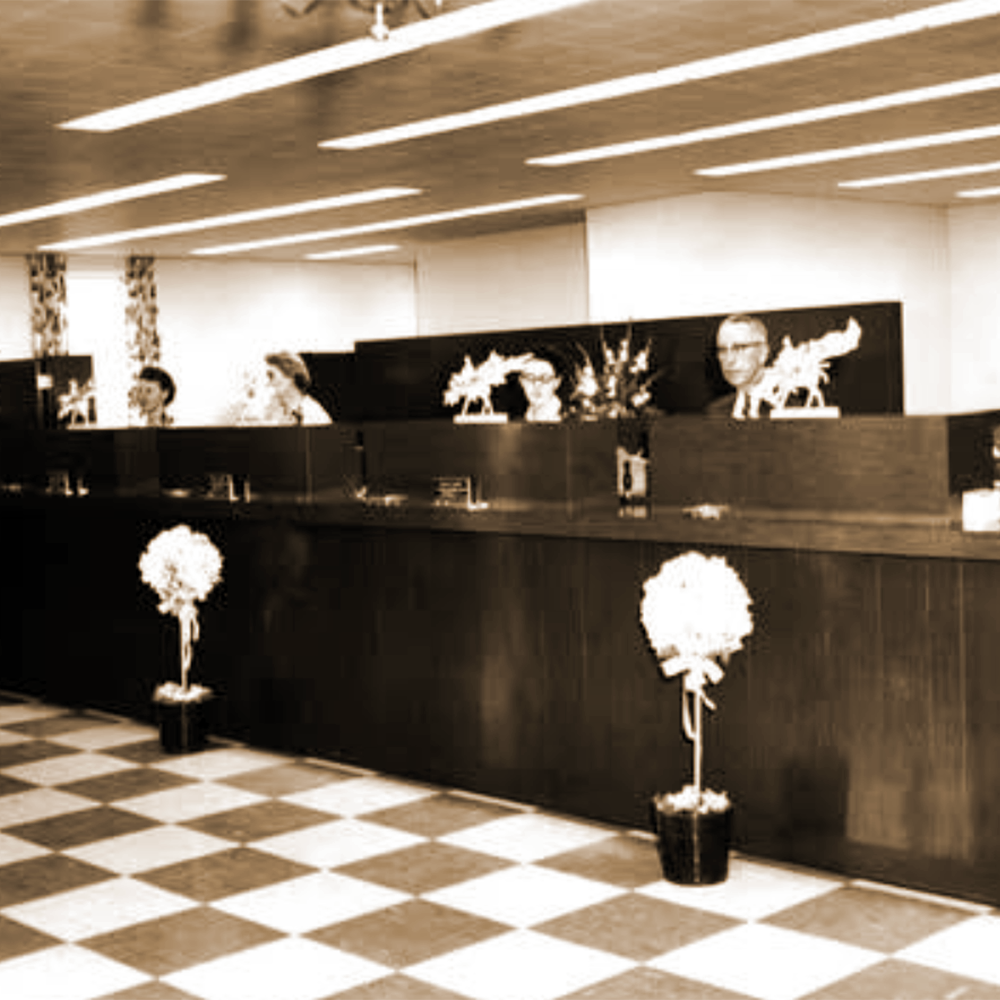
Built specifically as a bank circa 1895 and located right next to the rail depot, this building remained a bank for most of the 20th century, as shown on Sanborn Fire Maps for 1895, 1902, 1910, 1922 and 1939.
In 1921, the bank president built his home just to the west, where he could maintain a clear sightline to the bank. The building still contains two original bank vaults, visible today as a nod to its early financial roots. It operated as a bank for roughly a century until the 1980s, when it was purchased by a local family who renovated the upstairs into residential space and leased the downstairs for commercial use. Over the next few decades, it housed a mix of retail shops and a tasting room, reflecting the town’s shift toward boutique shopping and food experiences.
Most recently, the building returned to retail use, home to Frances + Parke, continuing its long legacy as a versatile and well-preserved part of Main Street’s history.
Circa 1960s
100 South Main Street
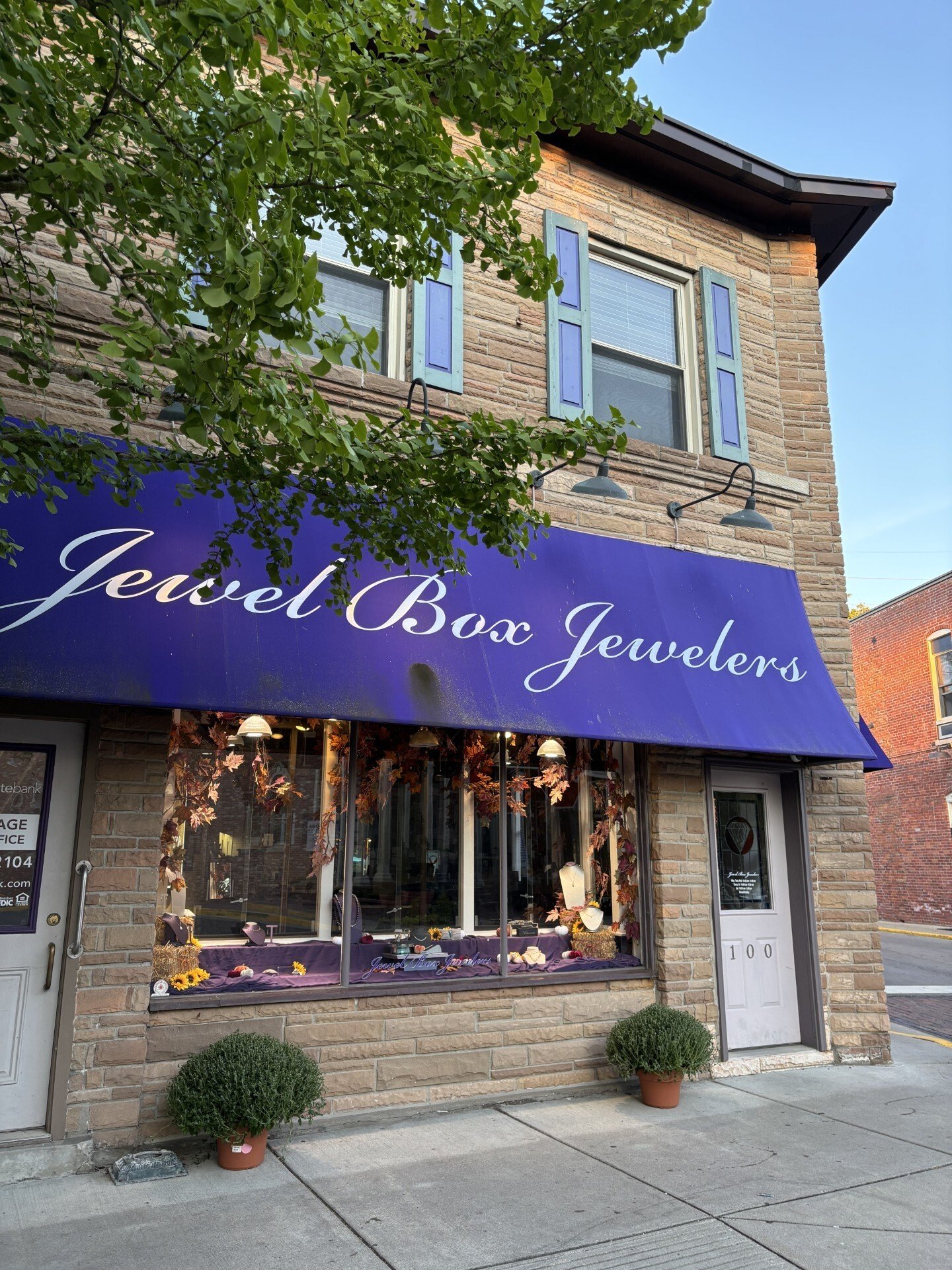
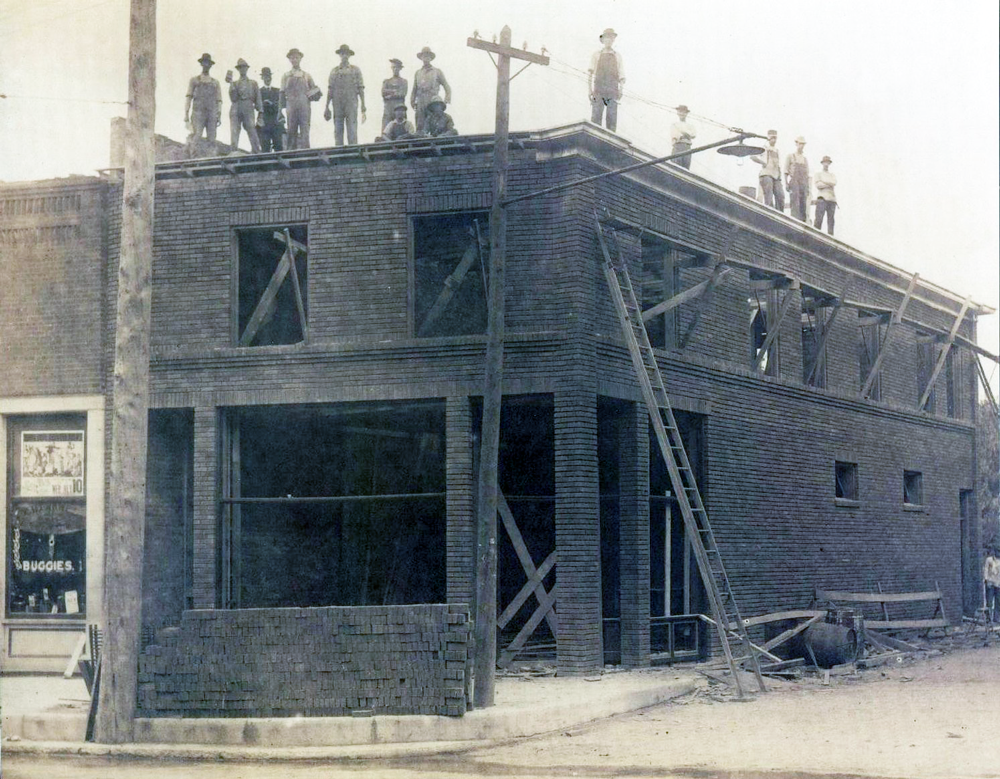
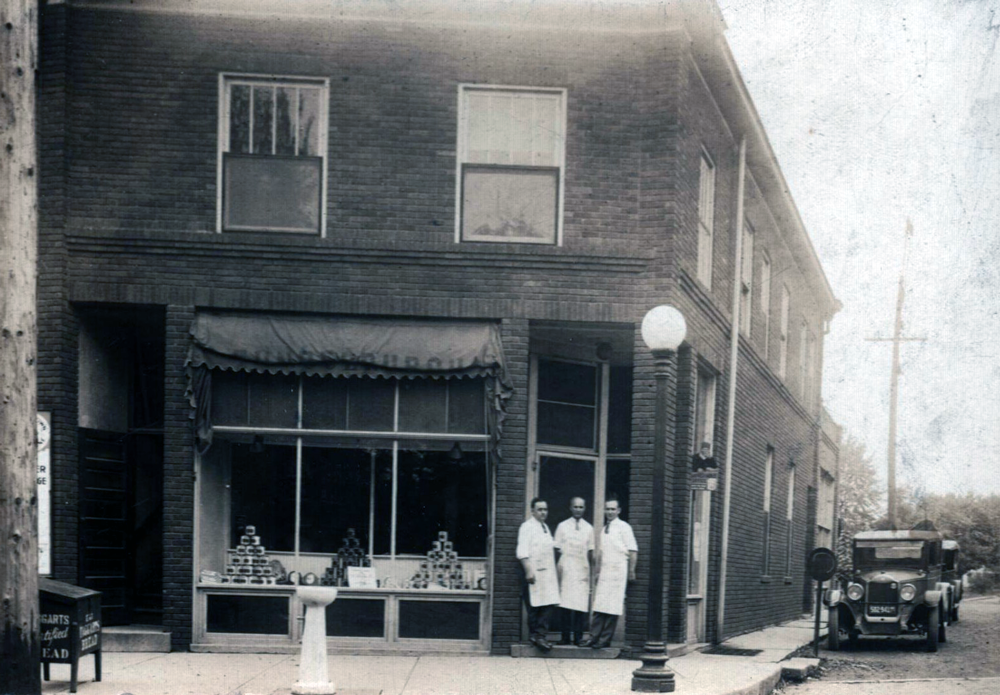
Built around 1913, this two-story brick building has been a cornerstone of Zionsville’s Main Street for over a century.
Originally, it housed H.E. Hill’s hardware store on the first floor, while upstairs rooms were occupied by professionals like dentists and architects serving both the practical and cultural needs of the community.
Over the years, 100 South Main has been home to at least two jewelry stores, three grocery stores and other local businesses that kept Main Street bustling. Its original brick façade, likely still intact behind later stonework, whispers stories of the early 1900s and the many hands that built Zionsville’s thriving downtown.
Fun fact: Early photos show shopkeepers, silversmiths and even signs for the Zionsville Water & Electric Lights Company. Dating information on the images goes back to the 1910s, when utilities were shifting to public works.
Circa 1913
Circa 1934
104-112 South Main Street
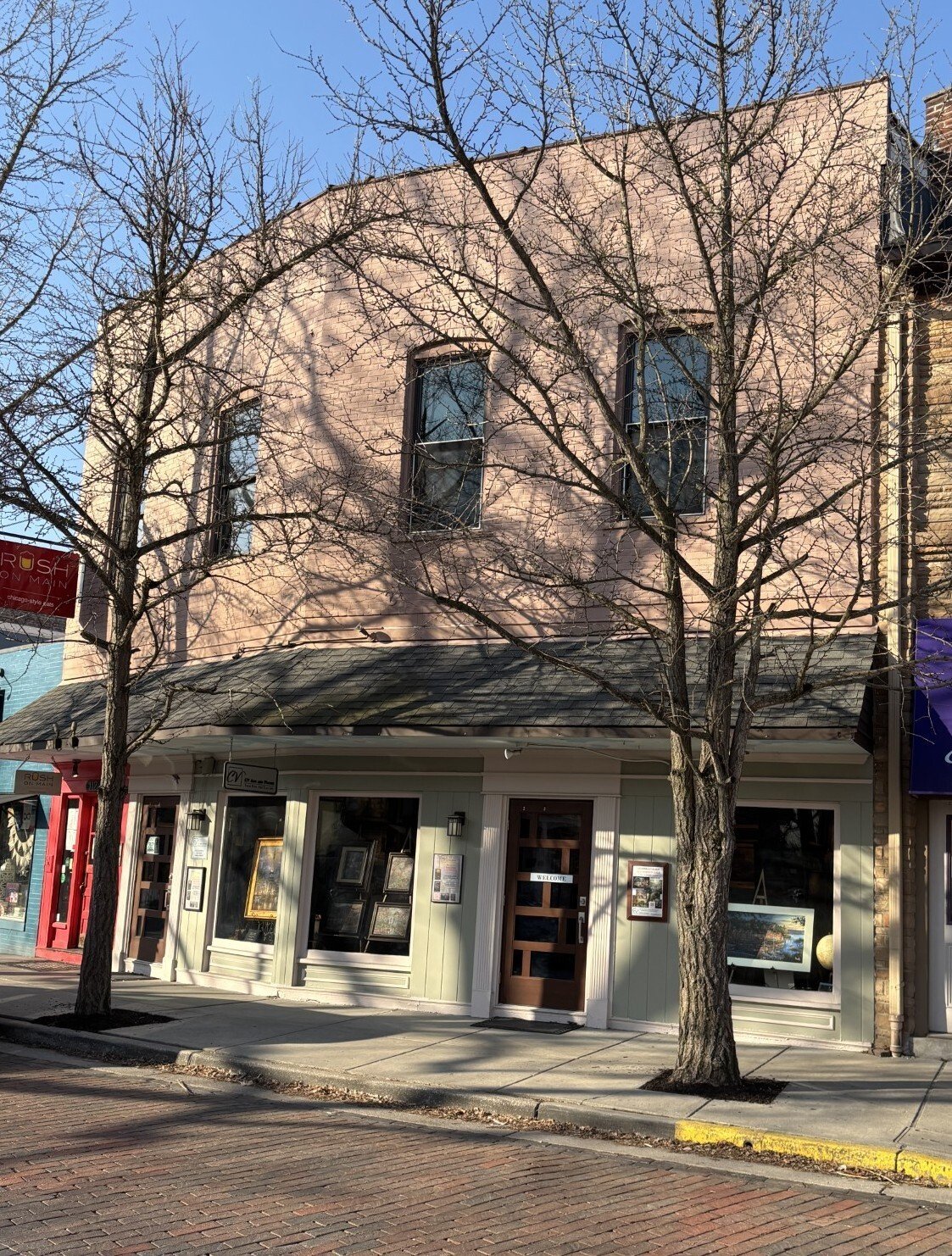
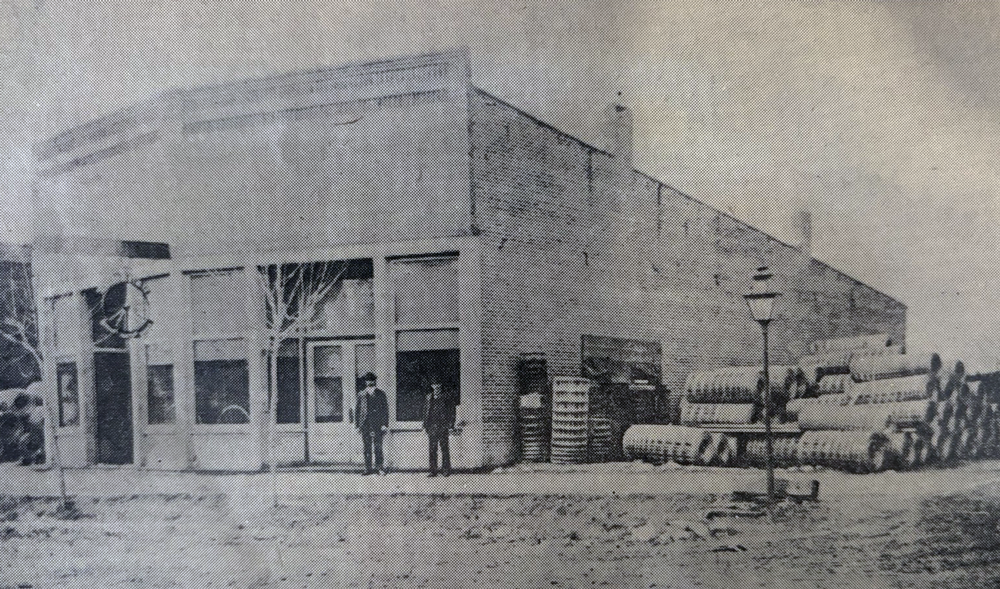
For over a century, the building at 104–112 South Main Street has served as an enduring part of Zionsville’s evolving downtown landscape. Since its construction in the early 1900s, this structure has housed a diverse range of businesses and gatherings, each leaving its mark on the building and the community.
Originally believed to have served as an opera house, the building is said to have hosted a world-famous opera singer — a remarkable beginning that speaks to Zionsville’s early cultural ambitions. It was also the site of early suffragette meetings held on the upper floor, reflecting the building’s role in important civic and social movements of the time.
Over the years, its purpose shifted in step with the changing needs of the town. It became a horse carriage repair shop, then passed through several commercial iterations before becoming home to the beloved Akard’s Village Hardware, which occupied the space for many years. Though the building has been modernized, its original brickwork and layout remain largely intact — particularly the exposed brick interior of the 112 side.
Today, it houses two thriving businesses: CV Art and Frame, located at 104, and Rush On Main, a Chicago-style restaurant at 112. Throughout its long life, 104–112 South Main has continued to serve the people of Zionsville, evolving with the town while preserving the character and history that make it a Main Street landmark.
Circa 1897
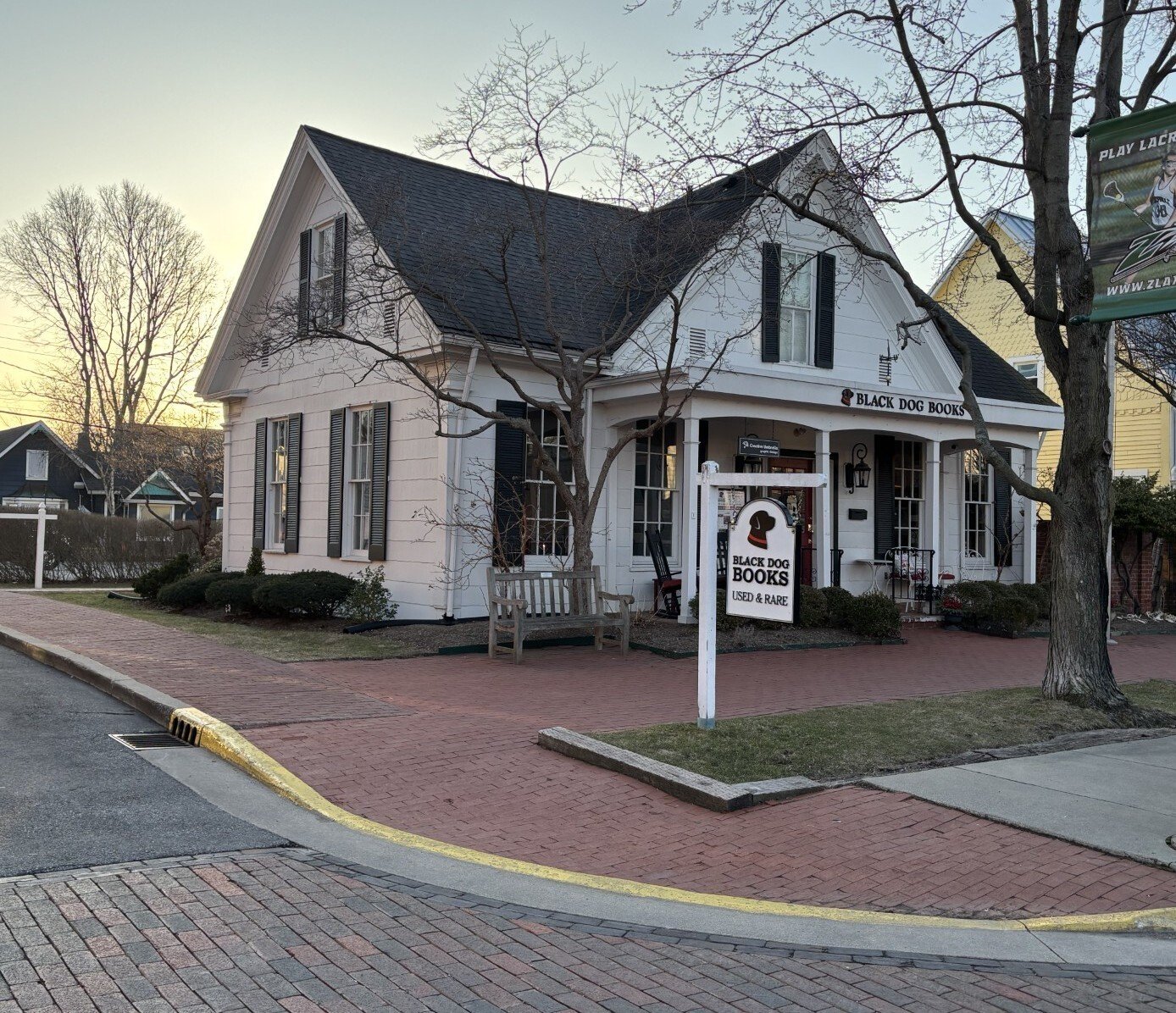
115 South Main Street
115 South Main Street in Zionsville has a rich history dating back to the late 1800s. One of the very few remaining Main Street buildings that originally served as residential properties, this structure was the home of Major Benjamin Gregory.
One of Zionsville’s early settlers, Gregory was a Civil War veteran, owned considerable real estate, and was a well-known citizen. By the middle of the 20th century, the building converted to commercial uses, including Zionsville Loan Association and later Union Federal Savings, serving as a central financial institution for the town.
Before its time as a bank, the site was associated with Major Benjamin Gregory, one of Zionsville’s earliest settlers and a key figure in its early development. The building still reflects its solid, institutional past, with some original features like vaults possibly still intact. After the bank closed in the late 20th century, it was converted into commercial space and has since housed a variety of retail and service businesses. Today, it houses Black Dog Books and stands as a visible link to Zionsville’s early civic and commercial growth.
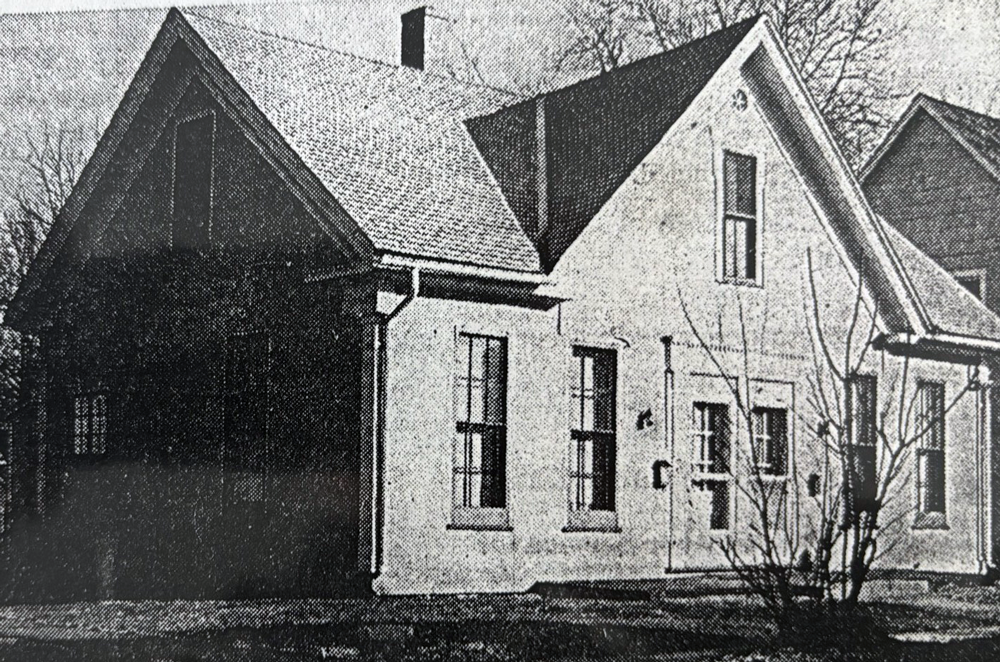
Circa 1950s
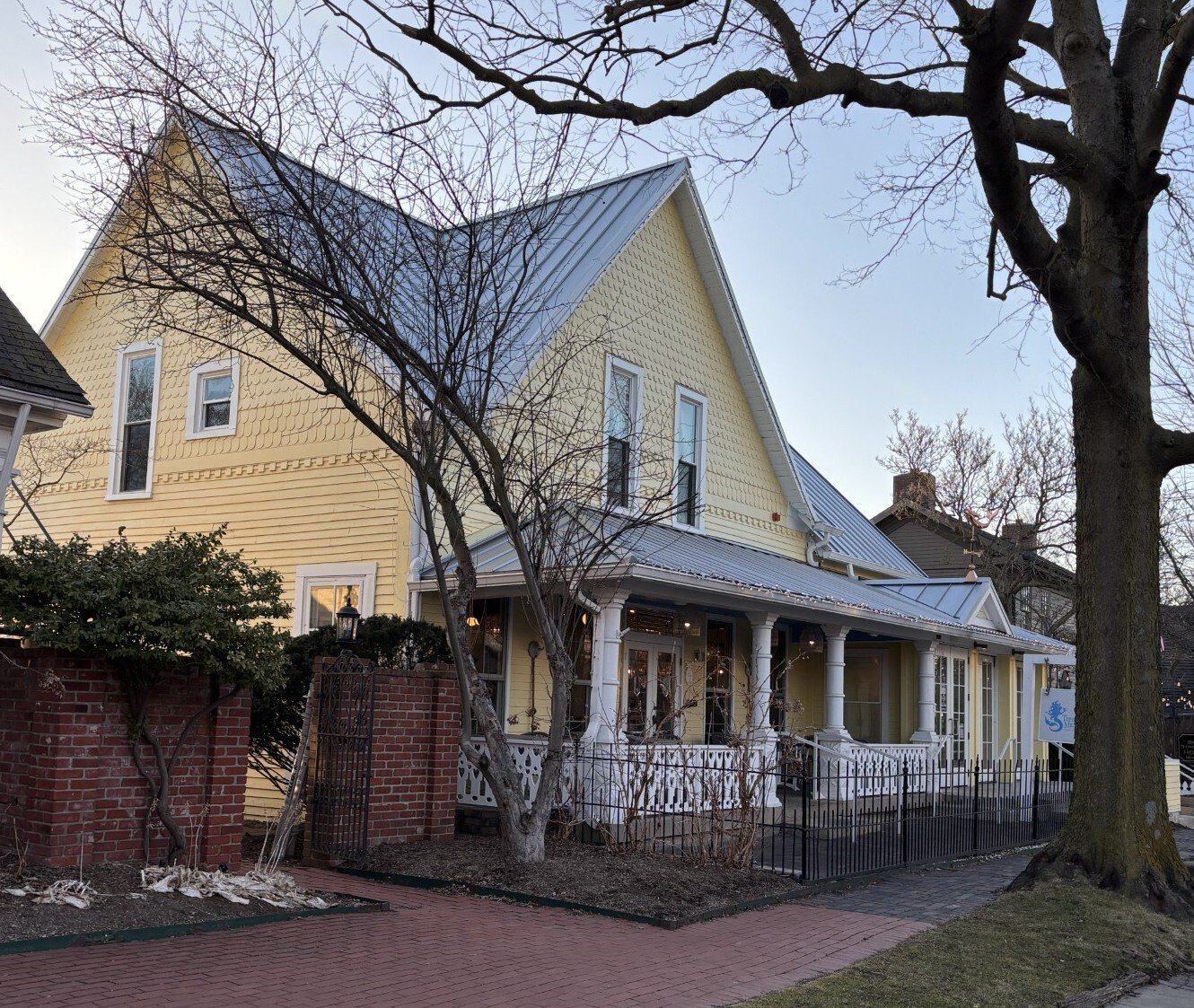
135 South Main Street
One of the few remaining early residential structures along Zionsville’s Main Street, 135 South Main is a rare example of the town’s original Central-gable style homes, which later were adapted for commercial use.
Built in the mid-1800s, it served many roles over its 150 years: a family residence for generations, boarding house for several decades, and then a meat market, general store, and restaurant as Zionsville grew.
From the early 1930s through the 1980s, the Hiland family called 135 S Main home. Frank Hiland was its last resident owner, often sitting on his front porch wearing a cowboy hat and greeting people as they walked by his home. His sister Rose lived to be 101, remembered as one of Zionsville’s oldest citizens.
Today, 135 South Main stands as a reminder of Zionsville’s layered history, of residential roots blending into Main Street’s vibrant commercial life.
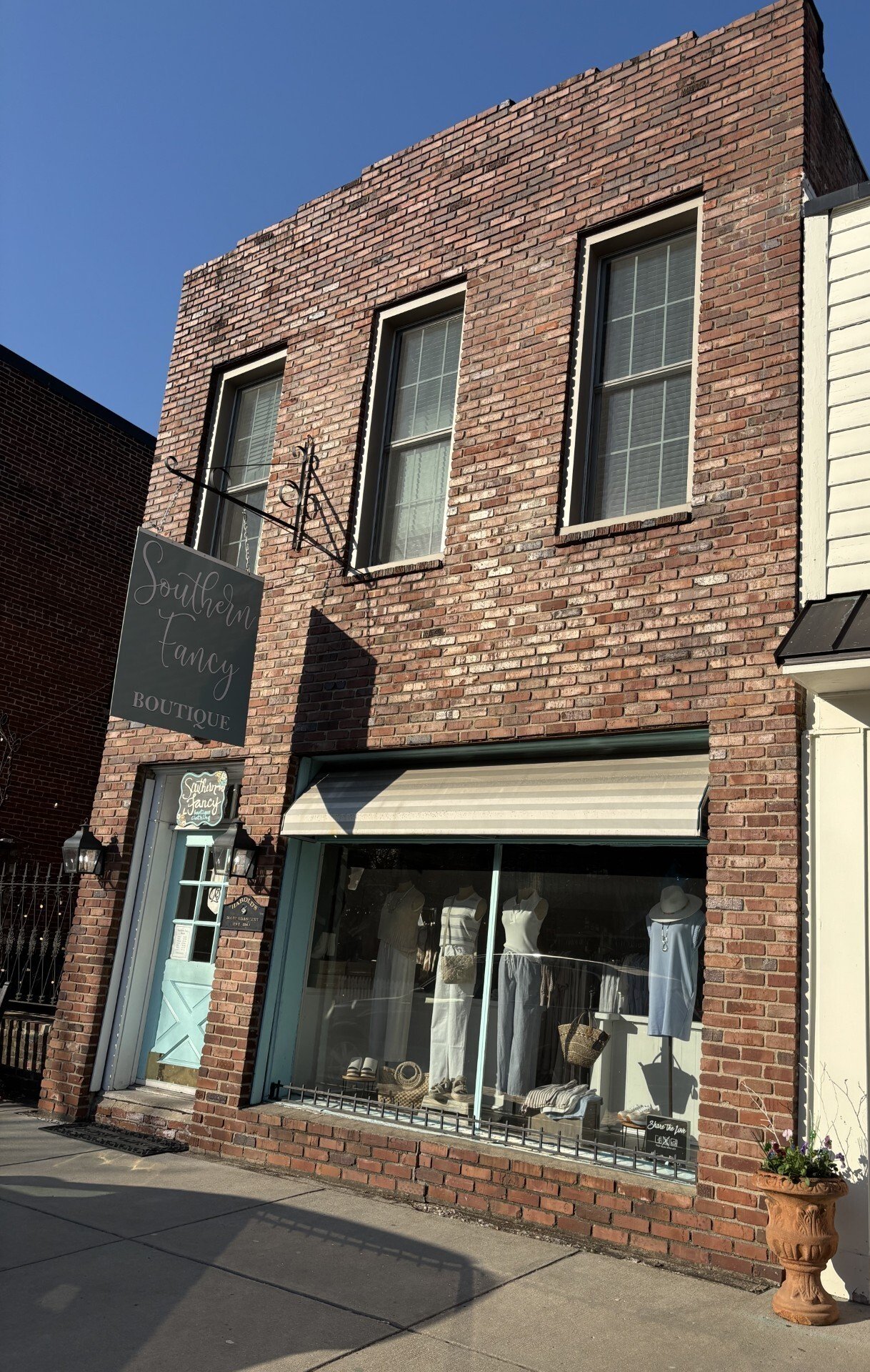
140 South Main Street
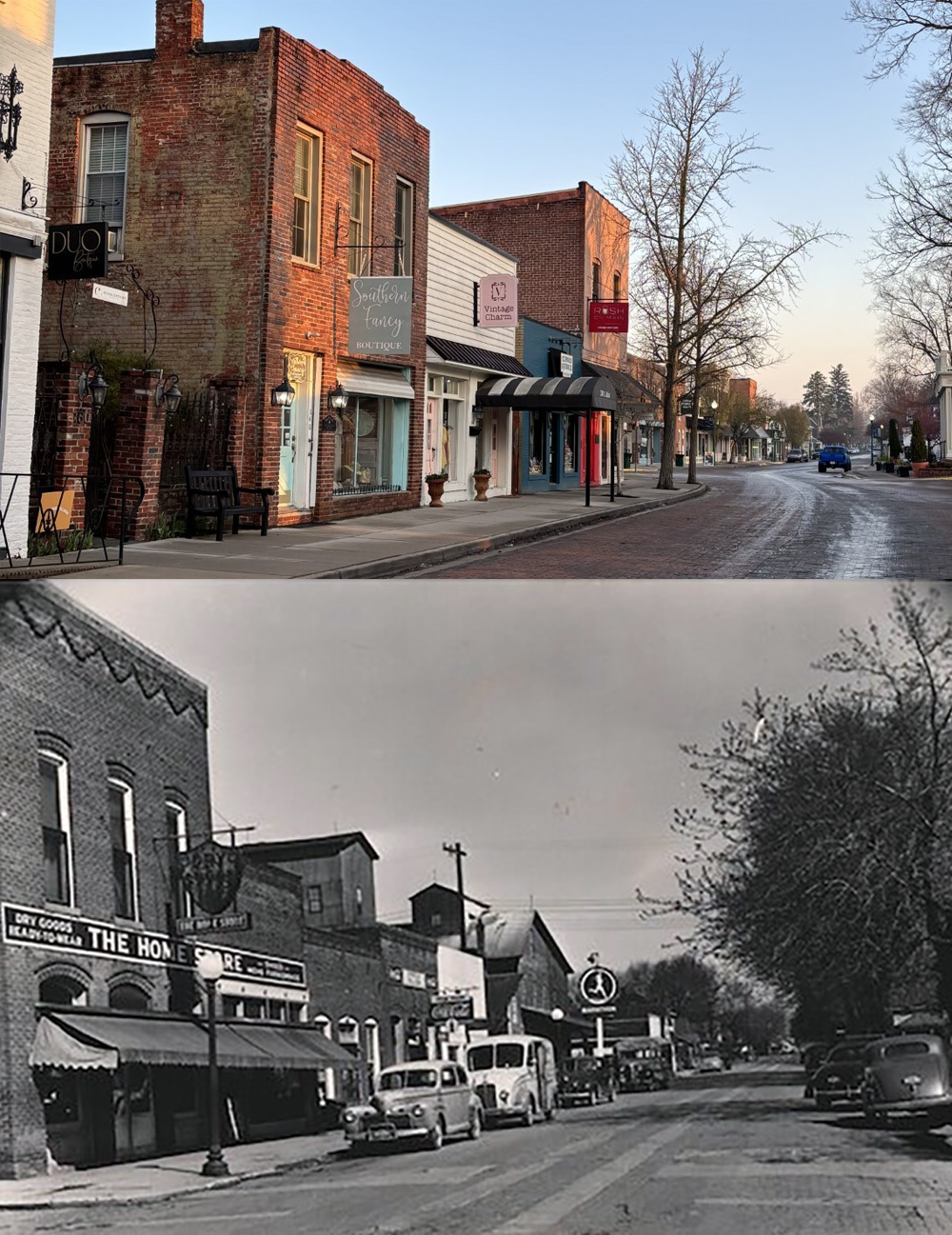
Located directly on the Main Street bricks 140 S Main St, has been a part of the town's identity since its construction on part of a platted lot and half of a vacated alley in the 1920s.
Throughout the building's history, it has housed many clothing stores, including Harold’s Haberdashery, a beloved men's clothing line. While the businesses have changed through the years, the building still maintains its basic shape, preserving the history it holds.
Today, it is home to Southern Fancy, a small business boutique.
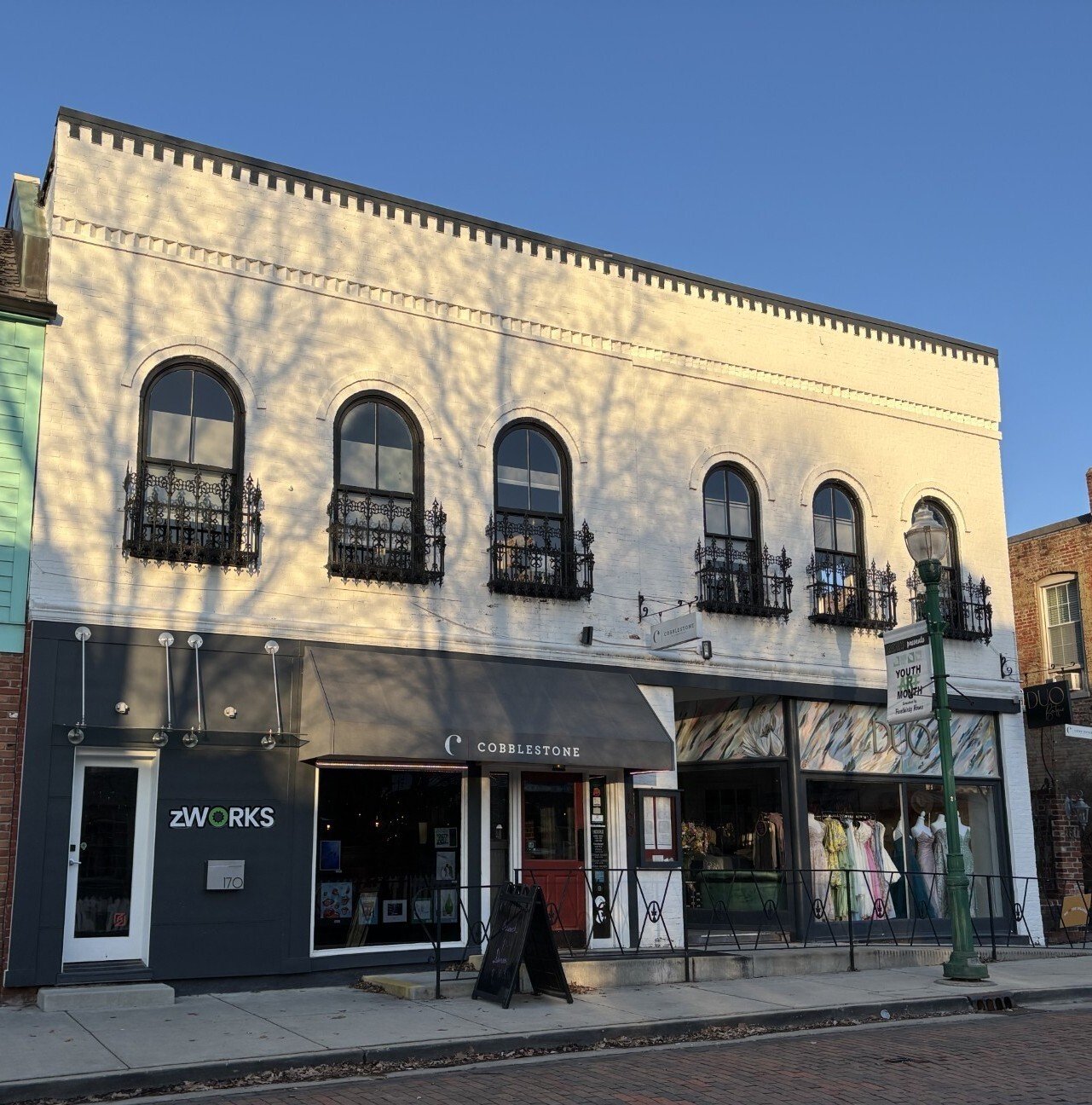
150-170 South Main Street
Stretching along Zionsville’s iconic brick Main Street, the buildings at 150–170 South Main Street have been quietly serving the community for over a century. Originally home to the Cropper Company - later Mills-Cropper - a furniture and dry goods firm, complete with a unique walkway between the buildings.
Over the years, it has hosted clothing shops, antique stores, furniture dealers and a variety of independent restaurants and retail spaces. While minor renovations have supported evolving uses, the structure retains its historic charm.
Today, it houses Cobblestone, Duo Boutique, and Zworks, each contributing to its rich legacy.
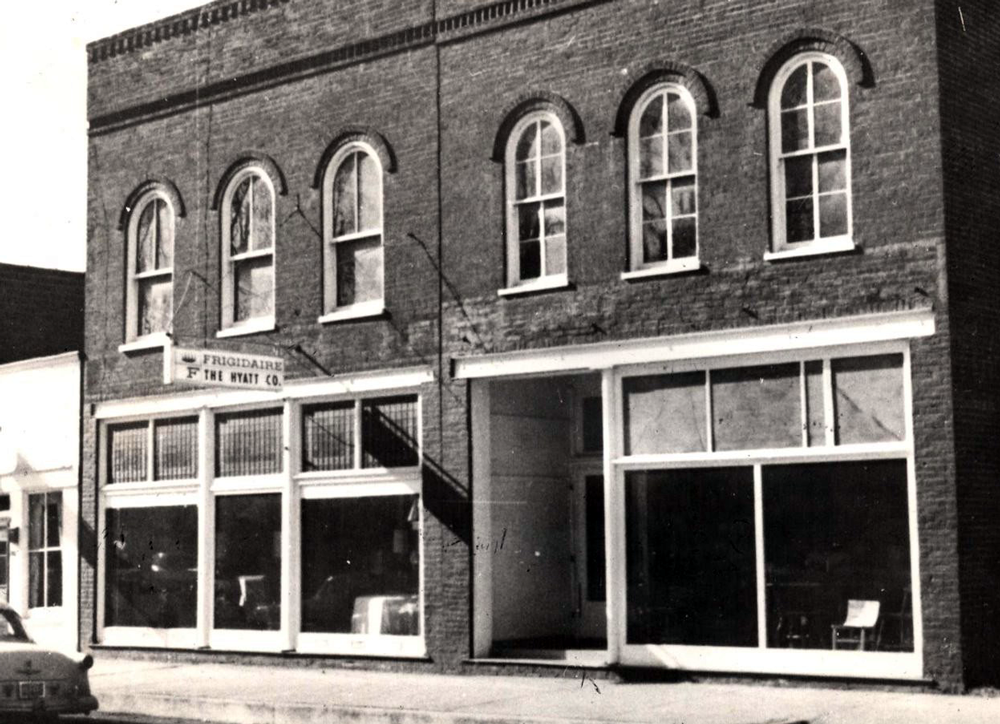
Circa 1975
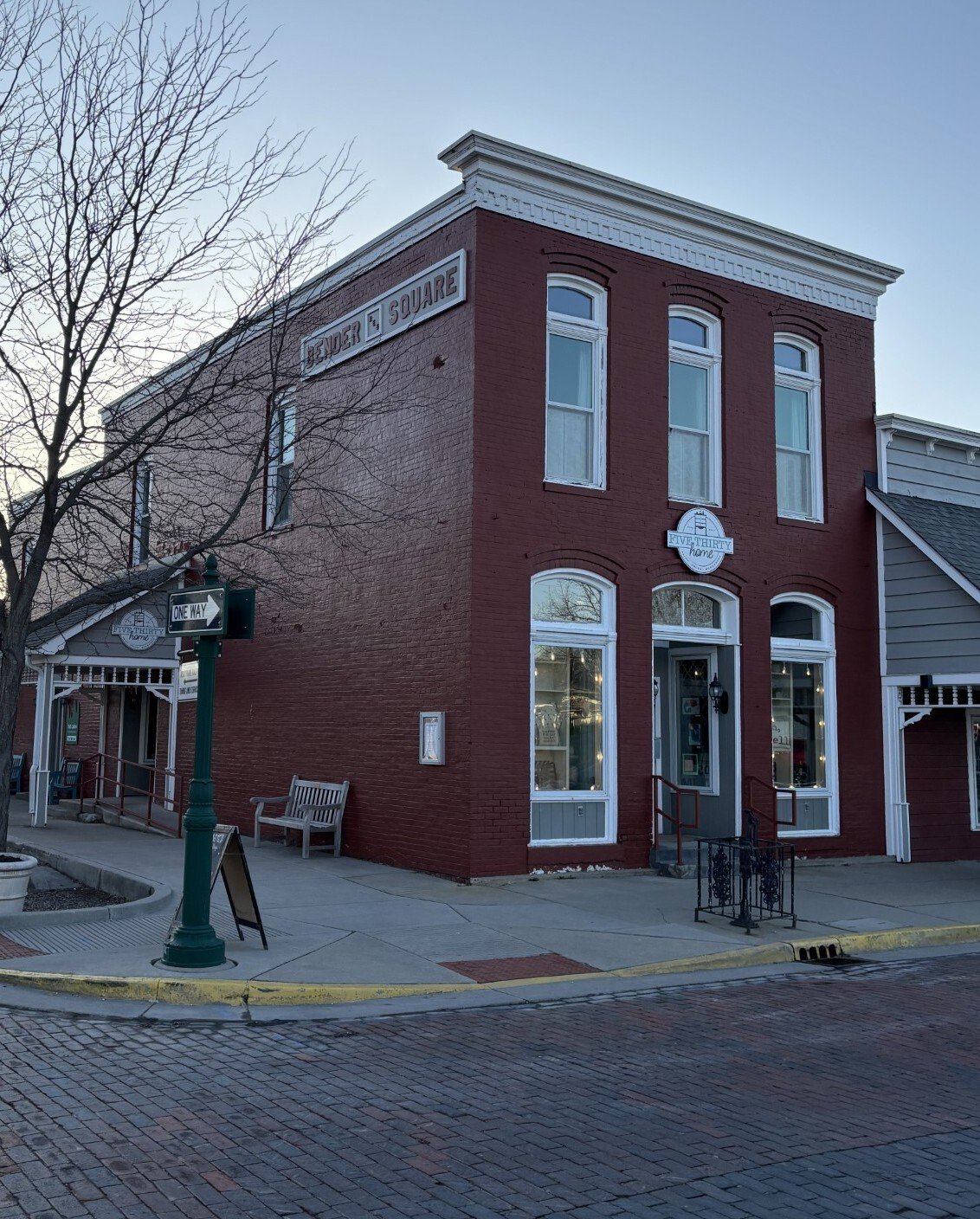
205 South Main Street
Dating back to 1885, 205 South Main Street originally served as the town’s lumber store, supplying materials to a growing Zionsville. Outside the building stood a public water pump with a shared tin cup, symbolizing the community’s spirit of care, a sentiment still reflected in the town’s public water fountains today.
The pump, now enclosed by a protective gate, remains a visible reminder of that history. In 1996, the building was renovated for retail and office use, later housing shops like The Gift Horse, Lilly’s Boutique and now Fivethirty Home.
Architectural remnants, such as original pass-throughs and an Italianate structure at the corner of Main and Pine, still hint at its lumberyard past, even as much of the façade has been altered over time.
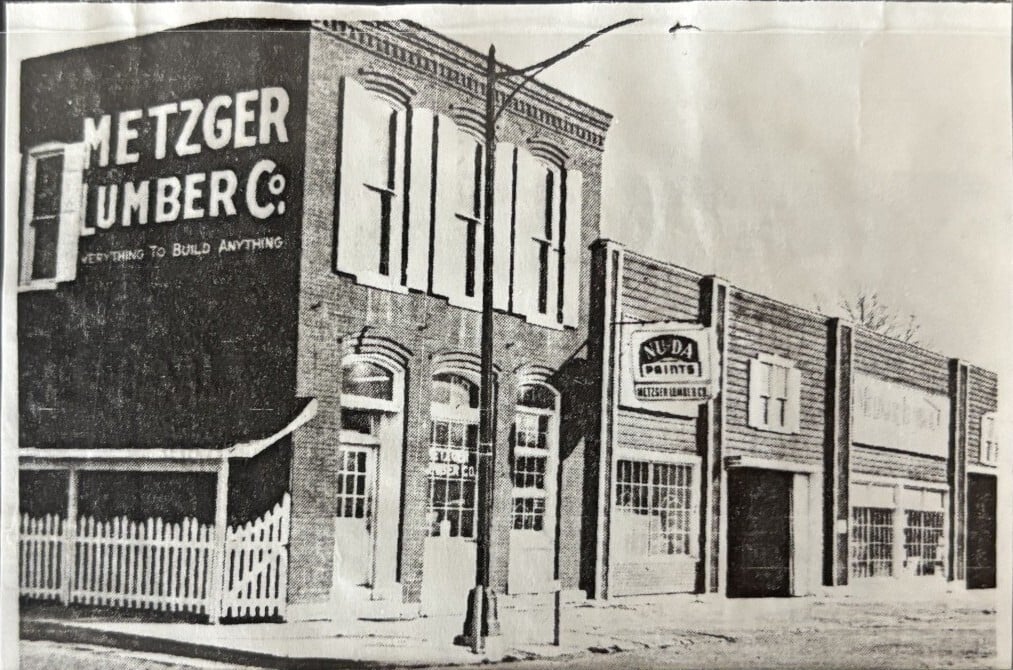
Circa Unknown
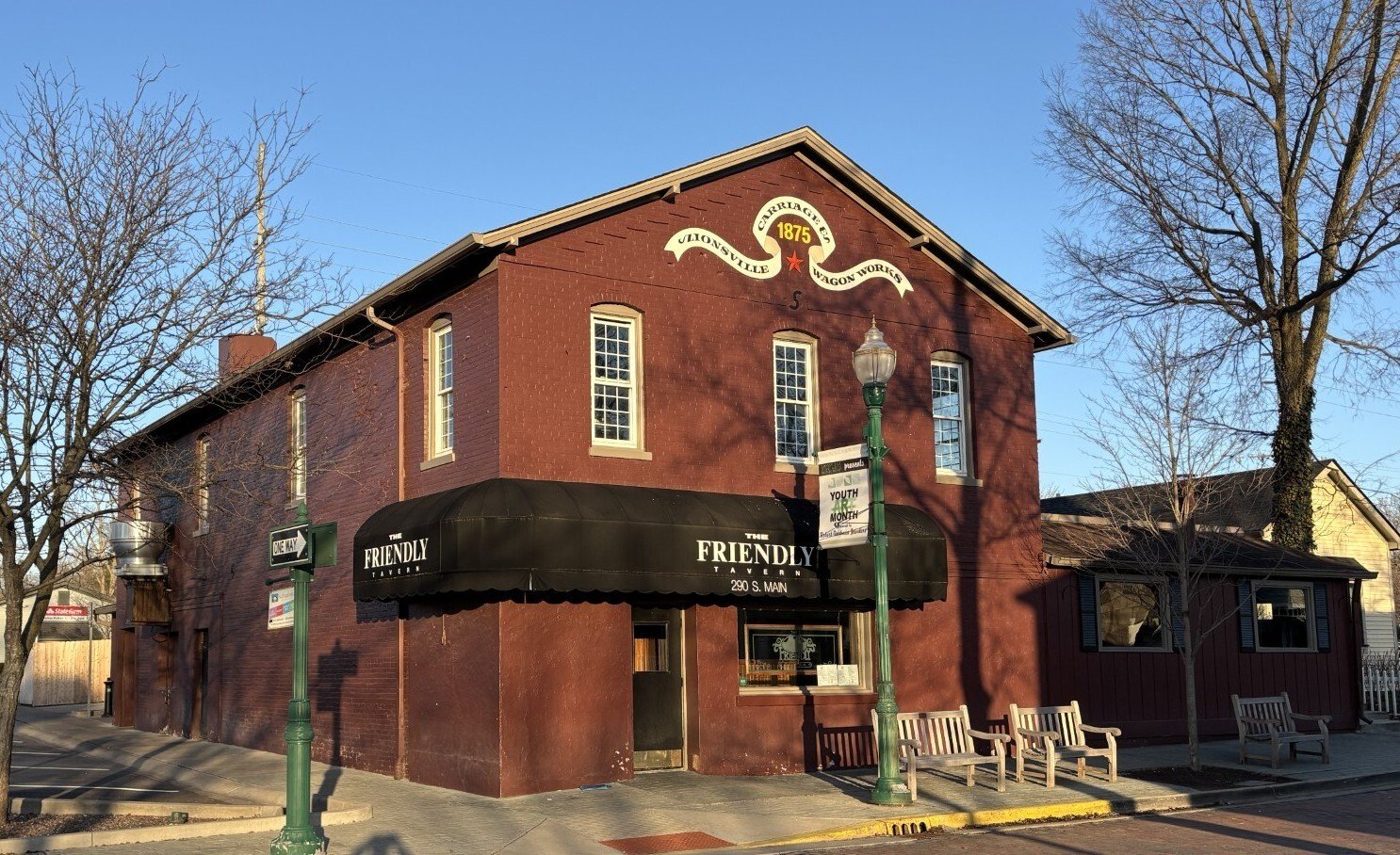
290 South Main Street
Located at 290 South Main Street, the building, now home to The Friendly Tavern, has been adding to the history of the town since the late 1800s.
Originally serving as a carriage factory with a dirt-floor forge and a second-story ramp for rolling carriages to a railroad loading dock. Then, transitioning between wagon works, a tin shop, a harness shop, and even a church in the 1920s.
Finally settling as a town favorite restaurant. For decades, The Friendly has been a staple for the community -- former governors have hosted world leaders here for the wings!
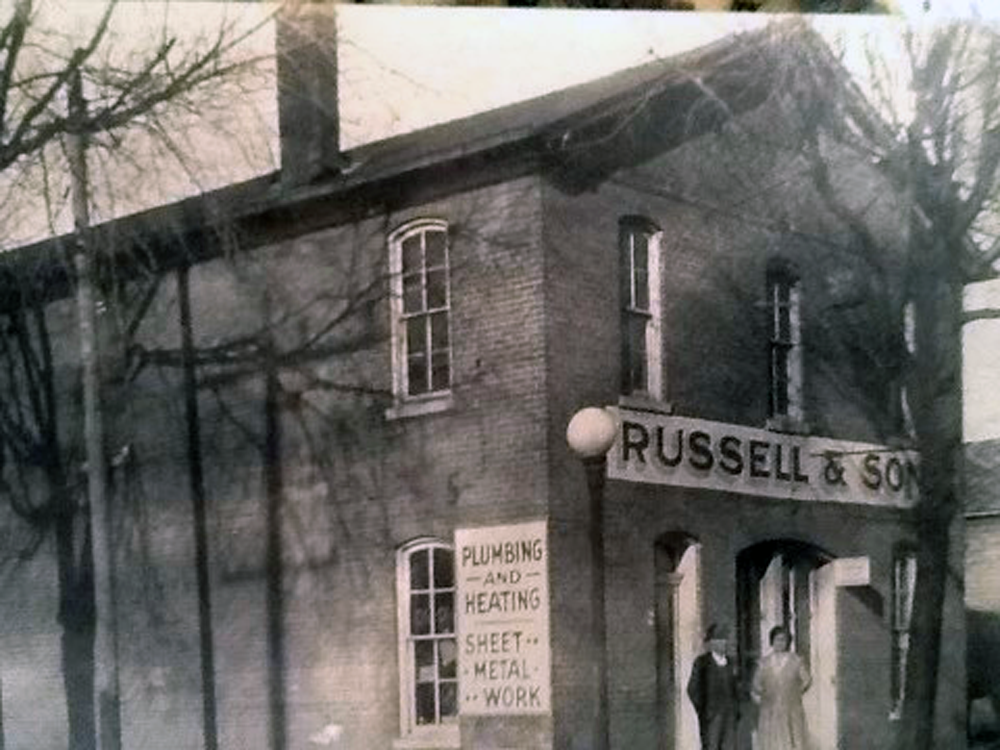
Circa 1930
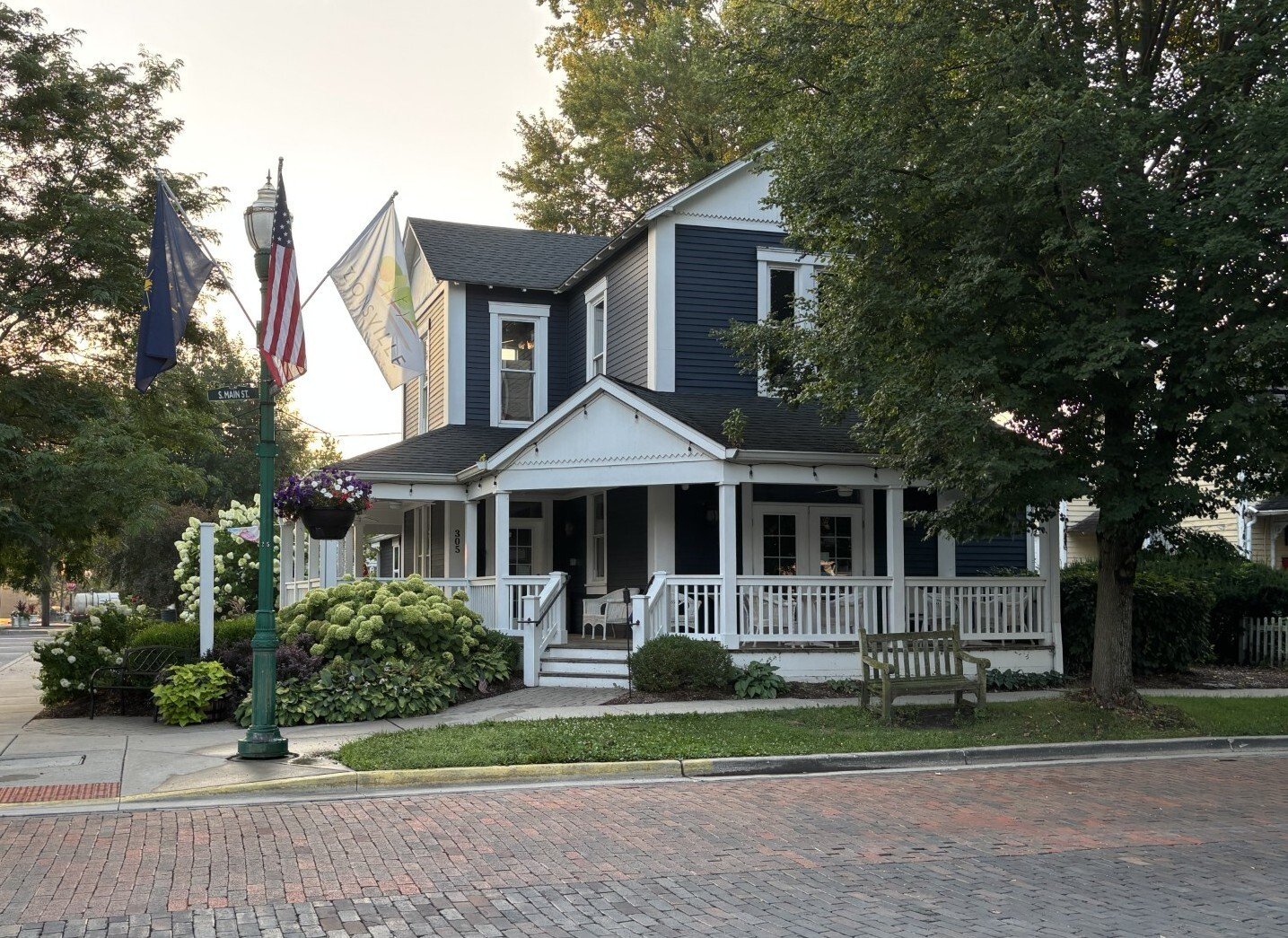
305 South Main Street
Dating back to circa 1880, the gabled-ell style house at 305 South Main is one of only two remaining original structures in the Original Plat Block 7. For generations, it was a family home, later becoming a rental in the 1960s before transforming into a hub for local businesses.
Over the years, it has hosted a clothing store, a florist, and, currently, an ice cream shop. Today, 305 South Main continues its legacy, reminding us how Zionsville’s historic buildings adapt and endure, always serving the community in new and delightful ways.
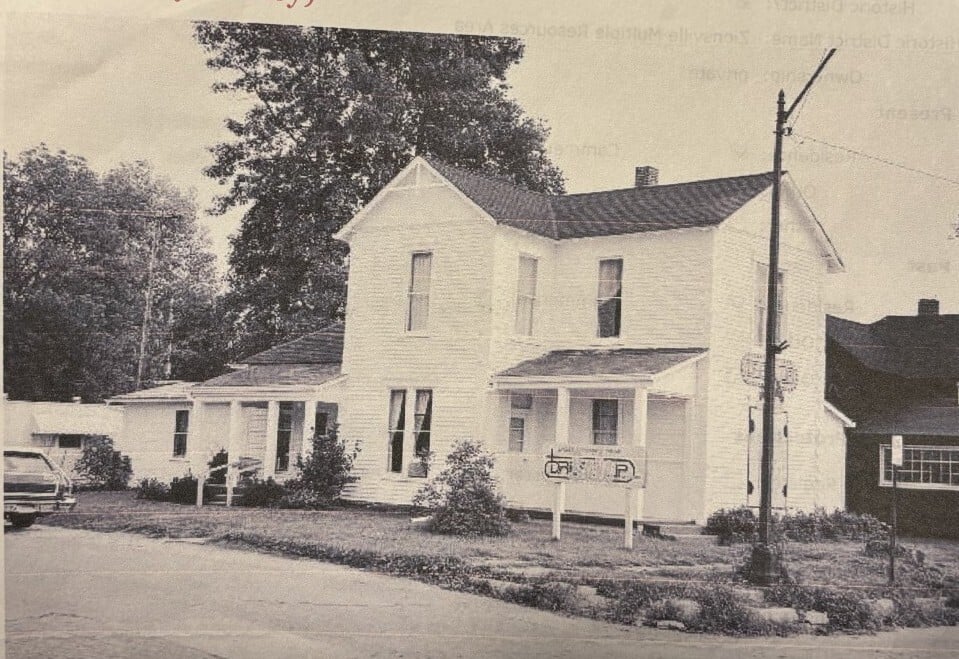
Circa 1981
10 North Main Street
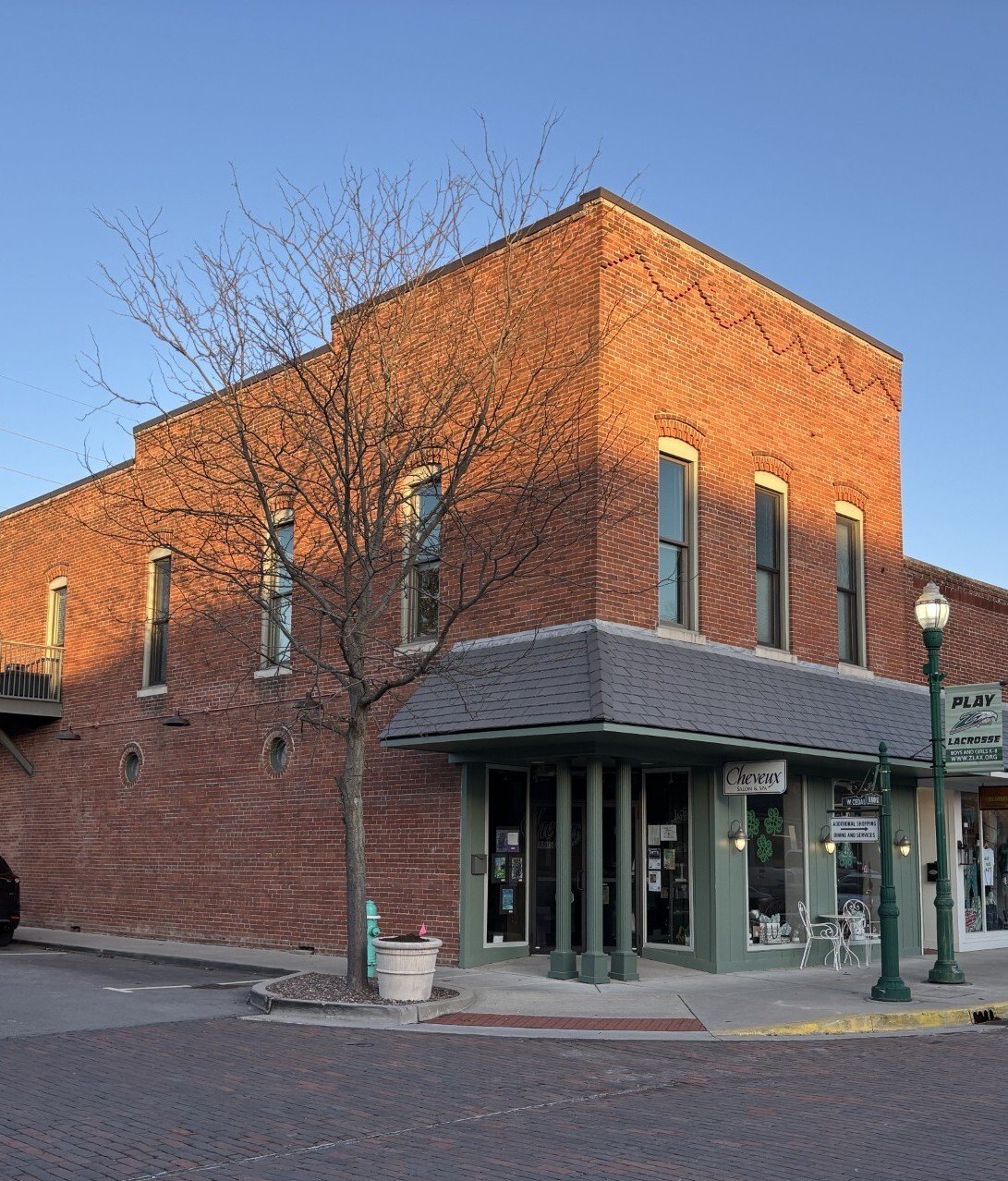
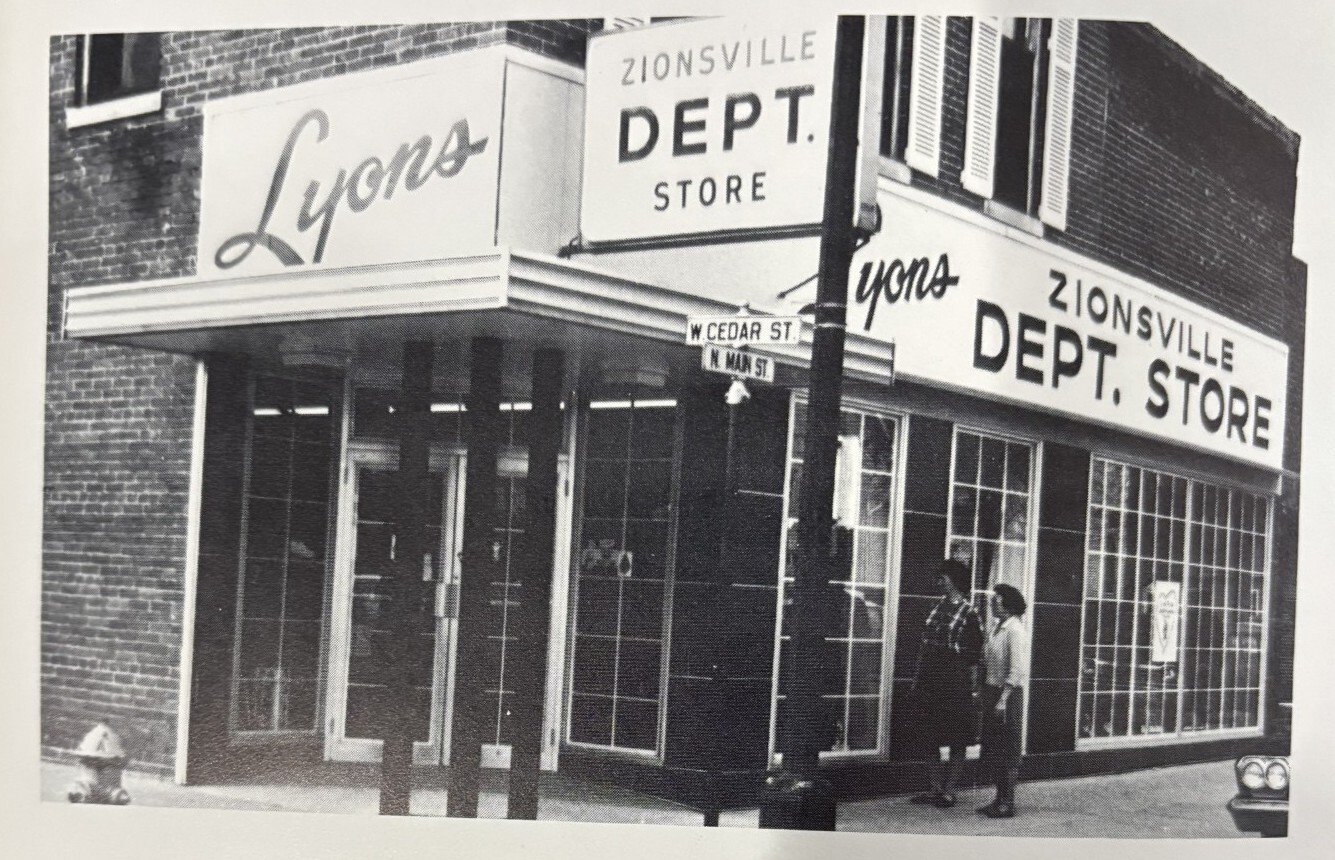
Built around 1890, 10 North Main was first used as a “trade palace”, supplying groceries and hardware to the growing town of Zionsville. In 1917, D.K. Mills purchased the building and opened The Home Store, a department store that remained in business for over four decades.
On the second floor, it was originally used as an I.O.O.F. (International Order of Odd Fellows) lodge, and later was rented to the Woodmen of the World Lodge. Since the construction, the building has been a retail establishment of some kind for more than 130 years. Today, it is home to Casalini Portraits and Cheveux Salon & Spa.
Circa 1960s
30 North Main Street
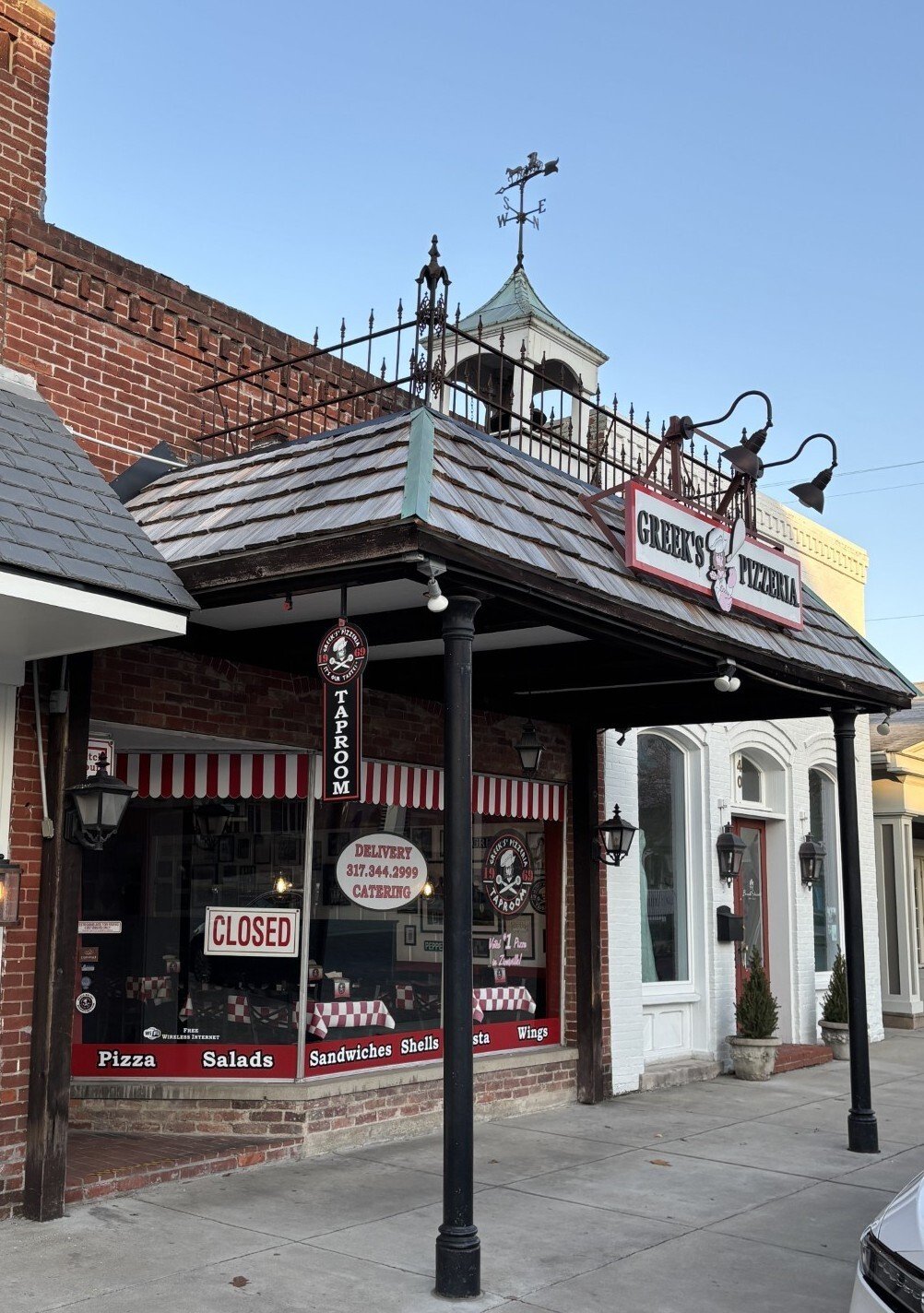
A multipurpose building never steered the town of Zionsville wrong. 30 North Main Street, constructed in the late 1800s, has housed a variety of businesses.
Some of the town's favorites include a pool hall, grocery store, Jones Butcher Shop, Zorba's restaurant and of course, the beloved Greek's Pizzeria, which currently occupies the space. Although the inside of the building has changed throughout the century, it still retains its basic shape.
40 North Main Street
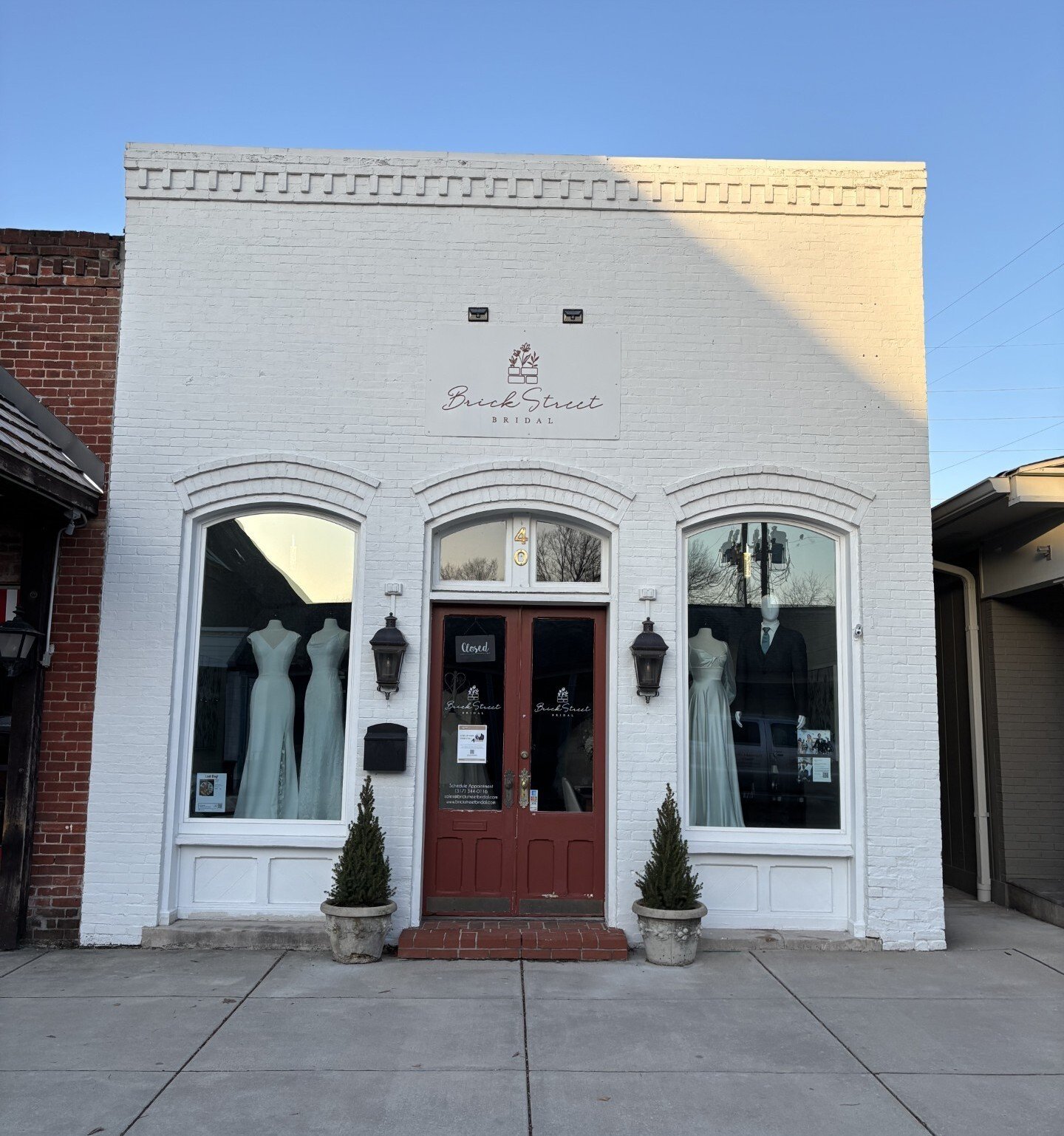
Since 1880, 40 North Main Street has played an active role in Zionsville’s daily life. By 1895, Sanborn Fire Insurance maps listed it as a saloon.
Later, the building developed into a barber shop, followed by a pool room. Over the years, it also evolved into various children’s and women’s clothing boutiques. While the interior has been adapted to meet changing business needs, the building’s original structure remains largely intact. Today, it is home to Brick Street Bridal.
75 North Main Street
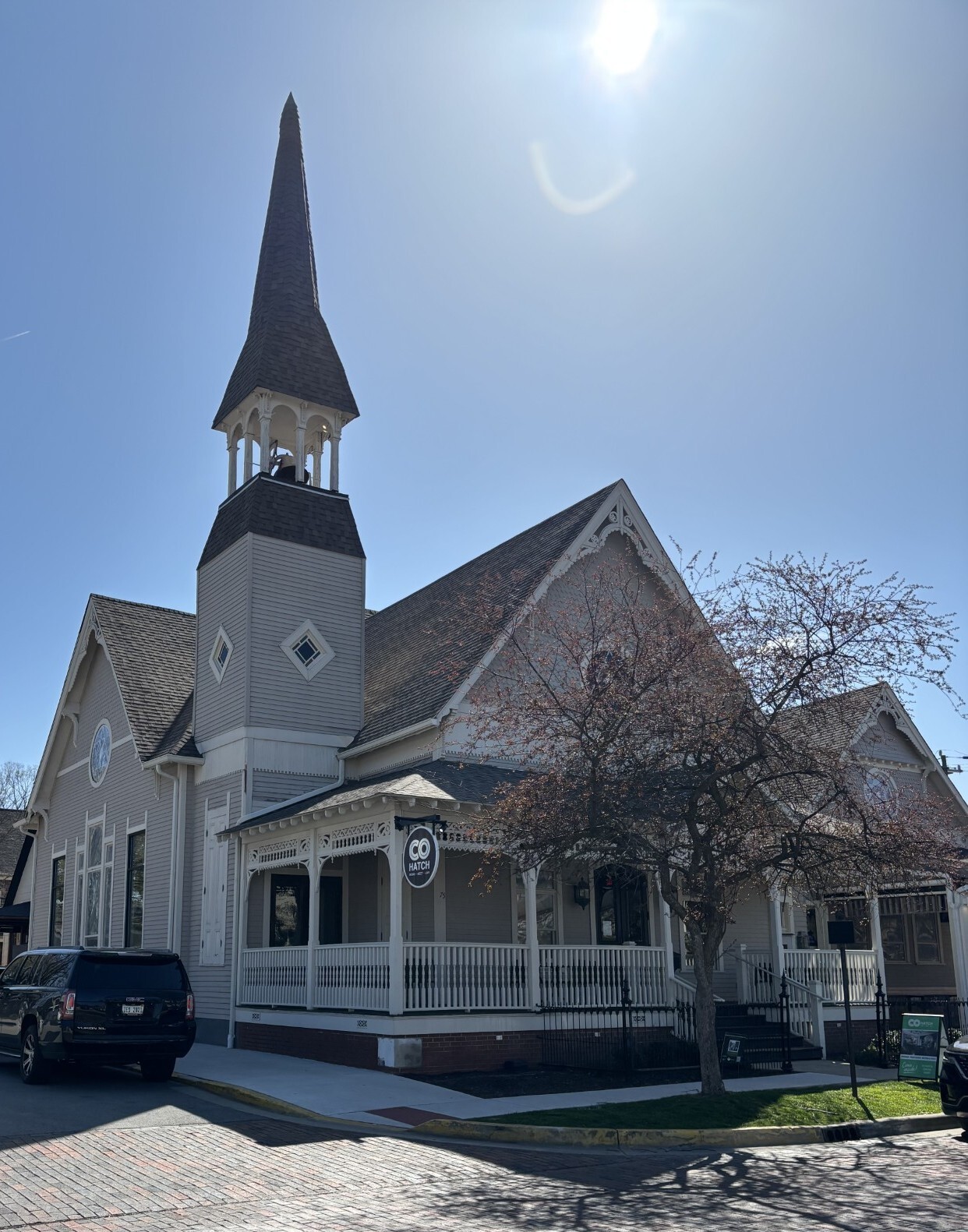
Located at the corner of Main and Poplar Streets, COhatch now occupies one of Zionsville's unique and storied structures at 75 N. Main Street.
Originally built in 1854 as the Methodist Episcopal Church, the structure was rebuilt in 1894 and has since served many purposes, including office spaces, a retail shop, a community center and an art gallery for the beloved local artist Nancy Noel, who passed away in 2020. After her passing, the building sat vacant until COhatch purchased it.
Today, it has been reimagined as a vibrant community hub, offering office spaces, event rooms and more.
106 North Main Street
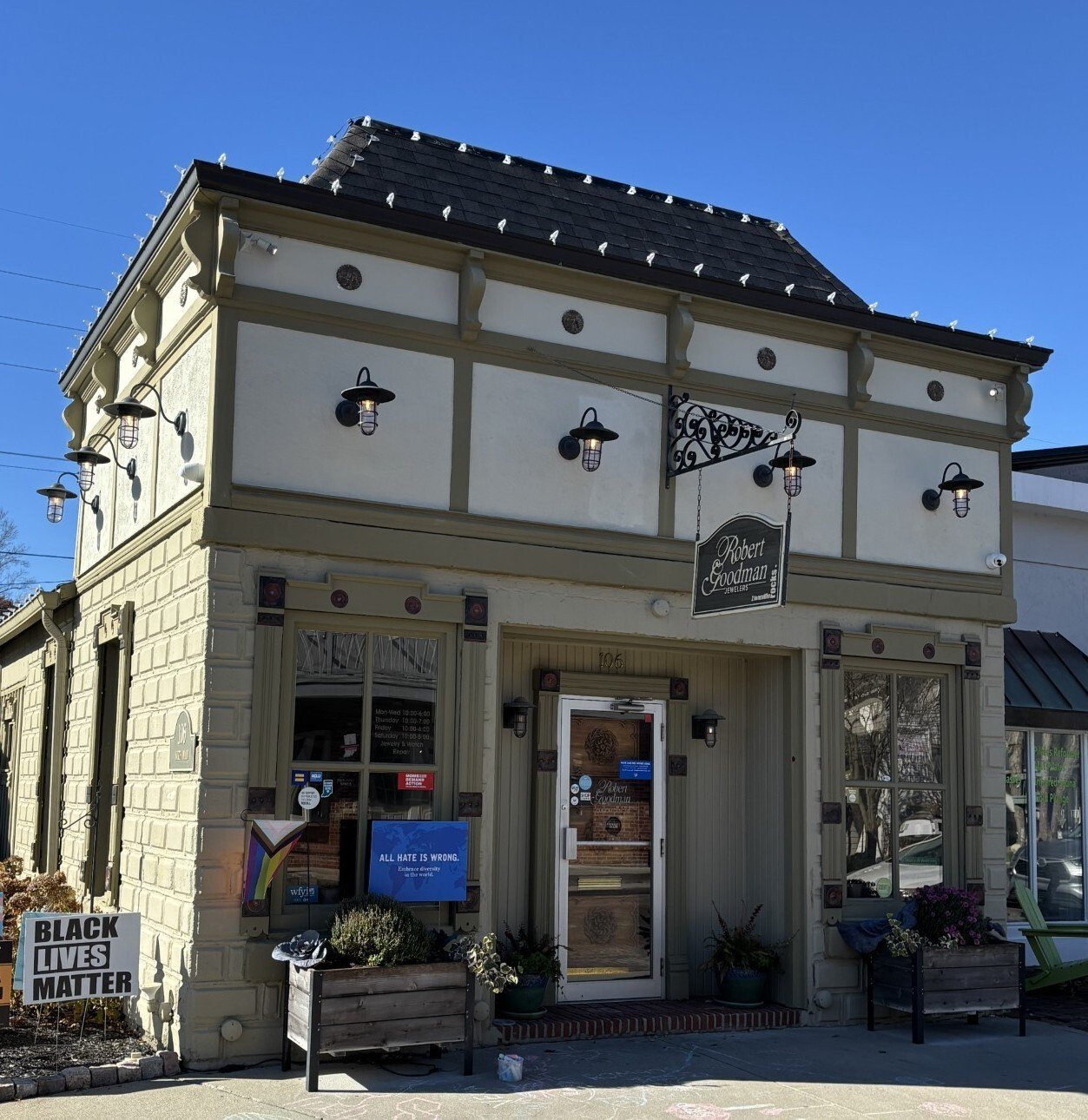
Standing at the north end of Main Street, 106 North Main Street carries more than a century of Zionsville’s working-town history within its walls.
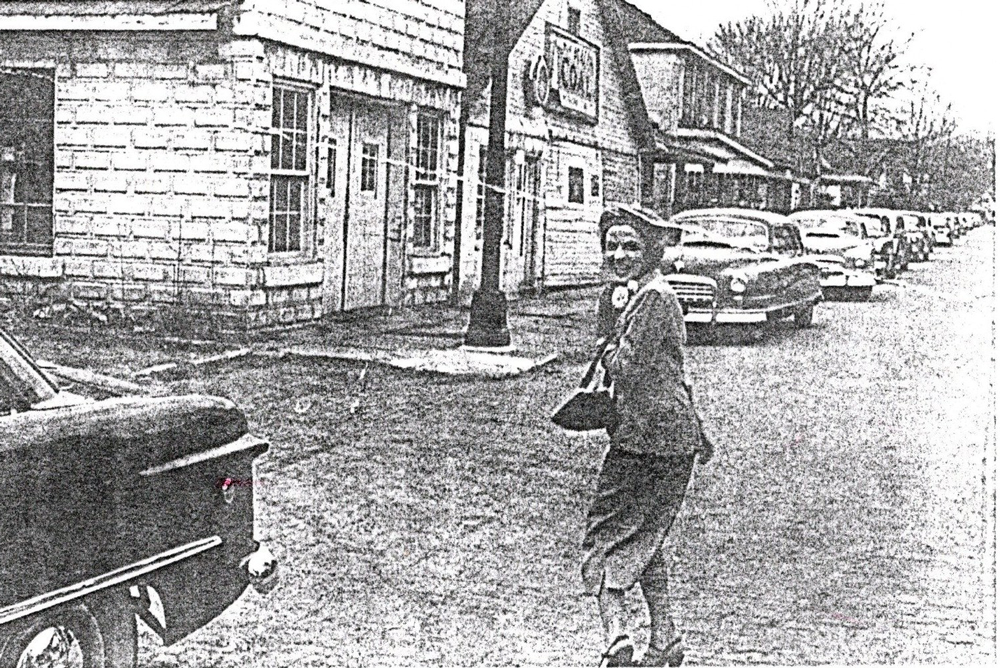
This site traces its roots to the late 1800s, when part of Poplar Street (then called North Street) was vacated to make room for industrial growth. Early Sanborn Fire Maps show wood-frame buildings here by 1910, replaced by a more permanent block structure by 1922, housing an auto repair shop as the area evolved alongside nearby flour mills, stockyards and rail activity.
By the mid-20th century, the property was closely tied to everyday life in Zionsville. Just north of today’s building, George Stultz operated a coal business, an essential service before modern heating. Nearby, the McGuire Ice & Coal Company expanded into appliances, reflecting how Main Street businesses adapted as technology and lifestyles changed.
By the mid-20th century, the property was closely tied to everyday life in Zionsville. Just north of today's building, George Stultz operated a coal business, an essential service before modern heating. Eventually, the McGuire Ice & Coal Company expanded south into this building, carrying appliances that reflected how Main Street businesses adapted as technology and lifestyles changed.
Historic photos from the 1950s through the 1970s show the building’s steady presence as the town transformed around it, eventually taking on dramatic exterior updates when it became a boutique and bridal shop in the 1970s. Today, it continues its Main Street story as a jewelry store, proof that thoughtful reuse keeps history alive.
From coal yards to appliances to boutique retail, 106 North Main Street is a true Century Structure that is layered, resilient, and unmistakably Zionsville.
Circa 1952
12-20 East Cedar Street
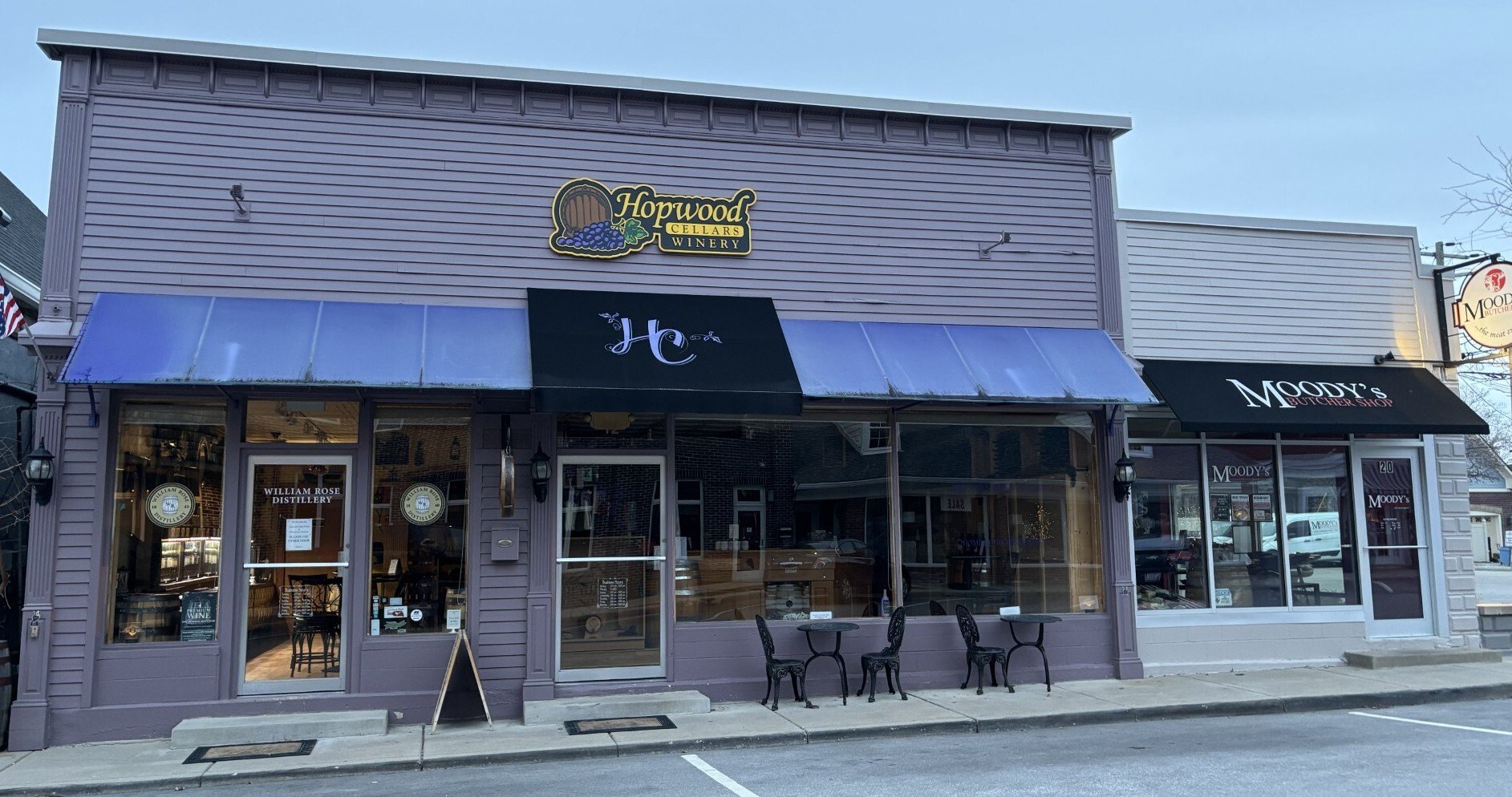
Tucked into the heart of Zionsville’s brick-paved village, the buildings at 12–20 East Cedar Street have been blending history with modern life since the early 1900s. Although updated over time with fresh materials and contemporary touches, they still retain their original shape and charm.
These storefronts now house favorites like Moody’s Butcher Shop, drawing locals and visitors alike. Inside, the spaces have been adapted for today’s needs, but the familiar rooflines and classic facades remain unchanged. It’s a quiet example of how old buildings can keep telling their story—even as the businesses inside write new ones.
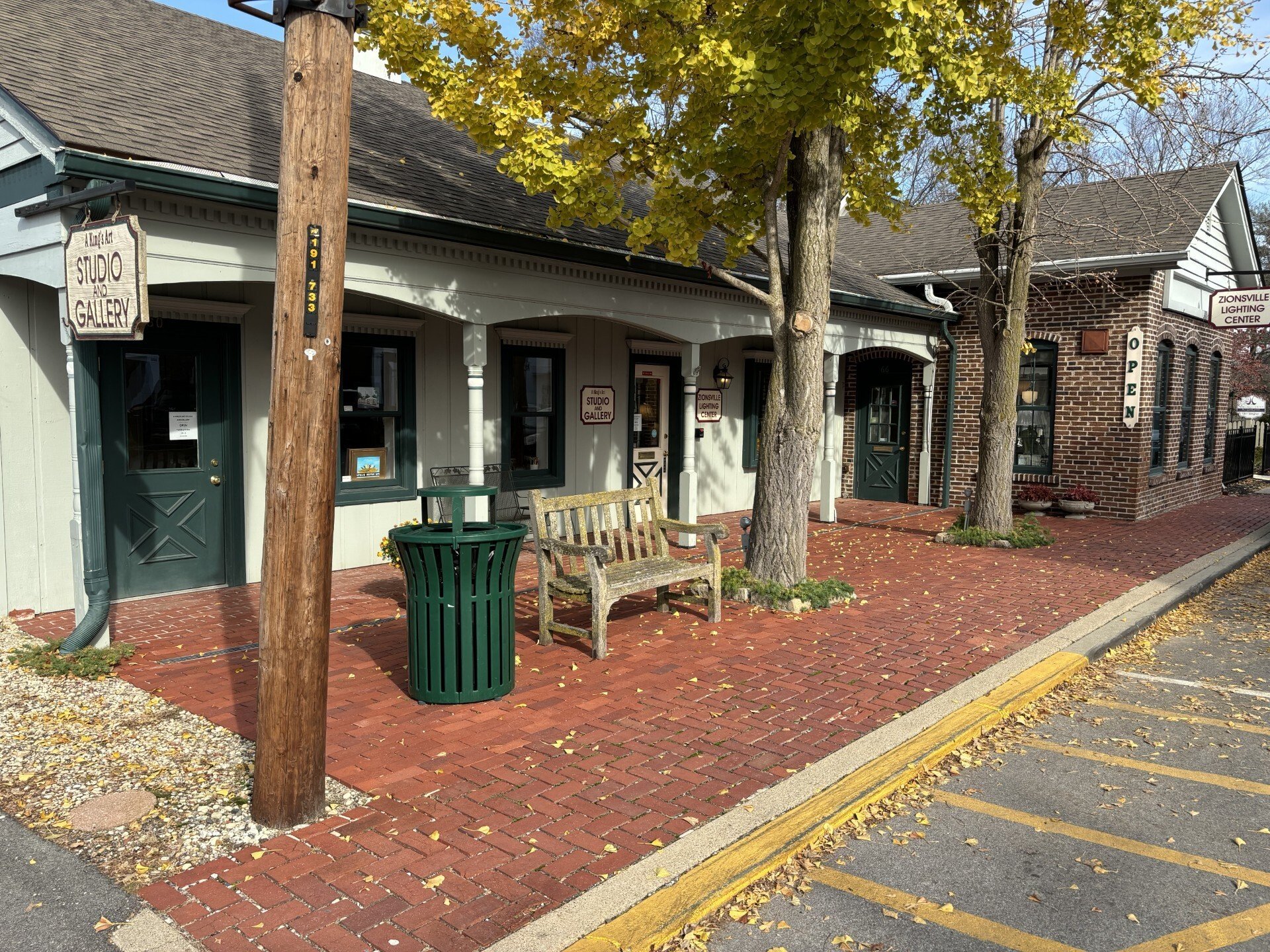
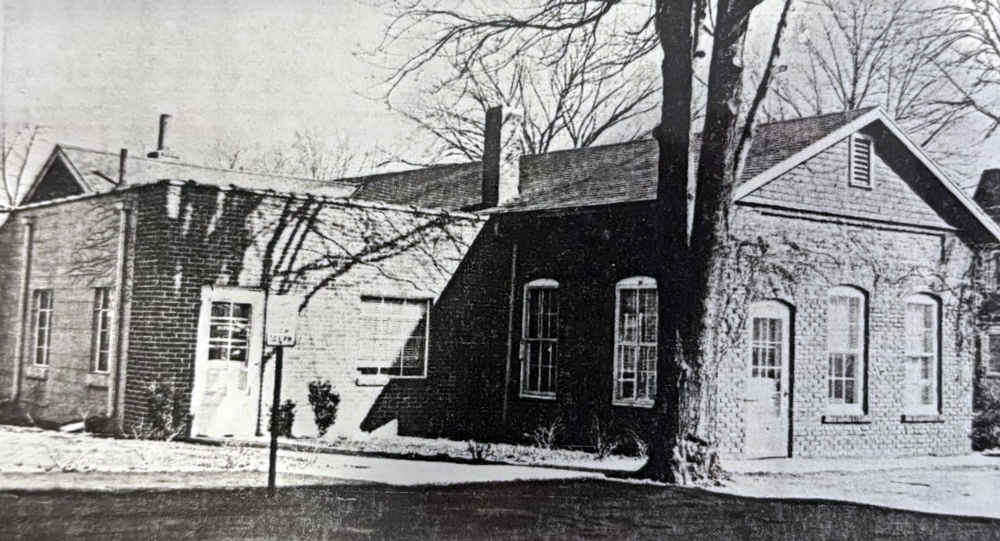
This structure’s first fifty years were associated with automobiles, as a garage and eventually a Ford dealership. At some point, it became a laundromat and dry cleaners and since then has housed (among others) a coin shop, upscale dress shop, convenience market, caterer, shoe shop, chocolatier, artist’s studio, art gallery, café, and carpentry shop.